About Alexandra Wood, Award Winning WIldlife Photographer
Behind the Lens
“Ultimately, I want to capture iconic moments in some of the most remote areas of the world—because connection is the beginning of care, and care is the beginning of change.”
— Alex Wood
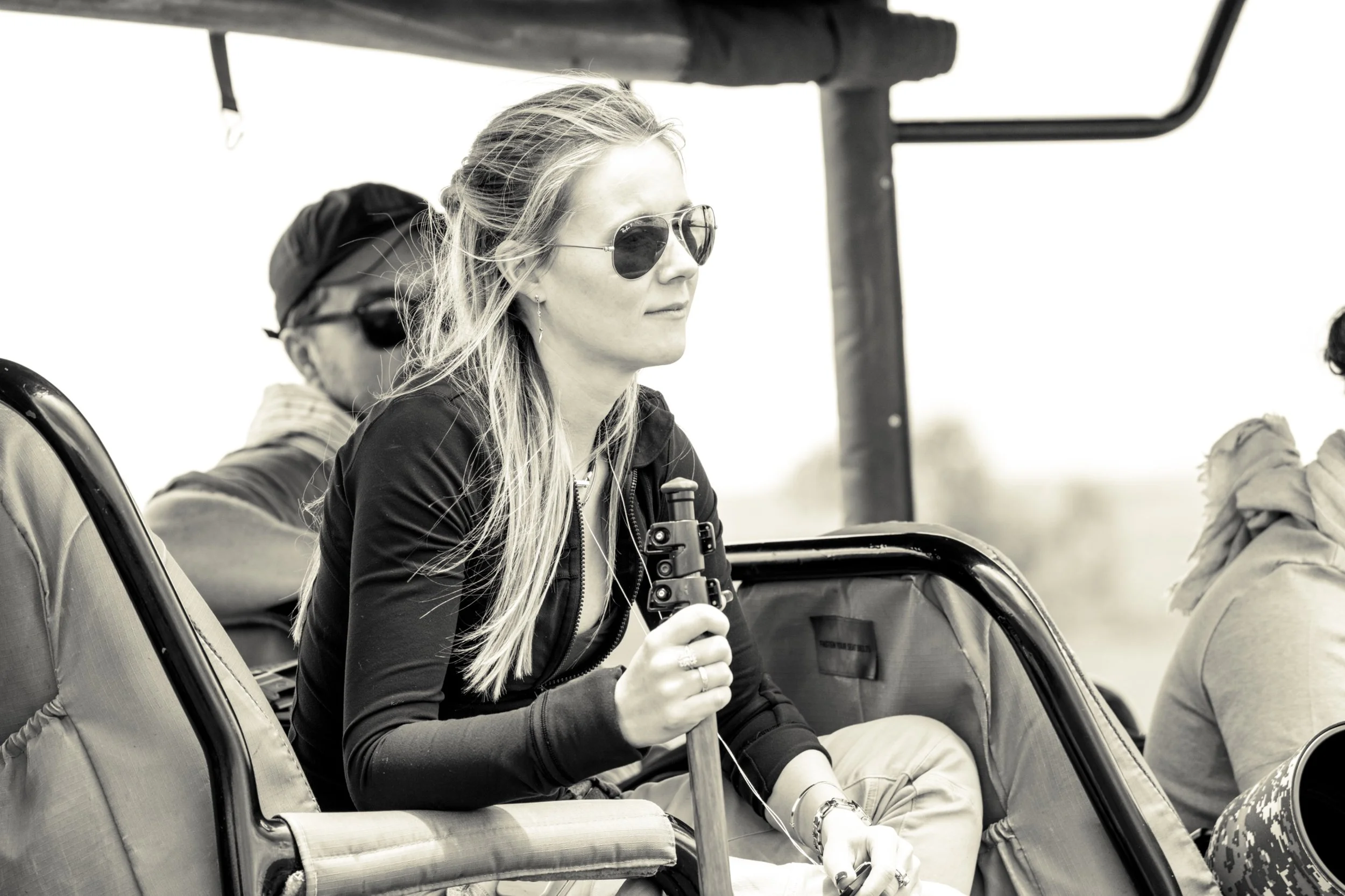
Alexandra brings a fine art eye to wildlife photography, shaped by years spent first in landscape painting and architecture. She picked up a camera while travelling, chasing the beauty of place, and it became something larger — a way of slowing down enough to actually look, and to connect with the world beyond the everyday. What began in landscapes evolved into a dedicated focus on wildlife, inspired by the powerful relationship between animals and their environments.
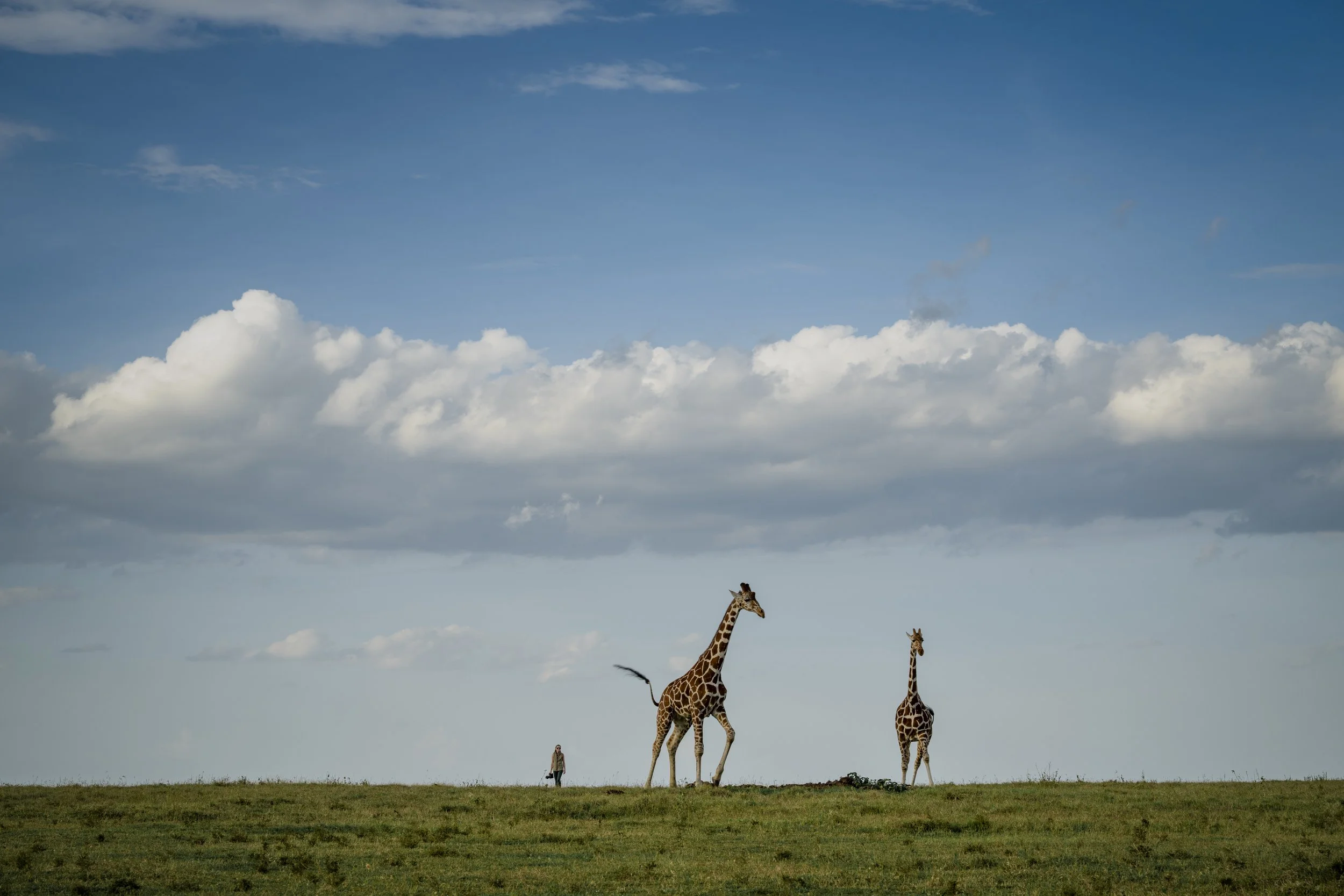
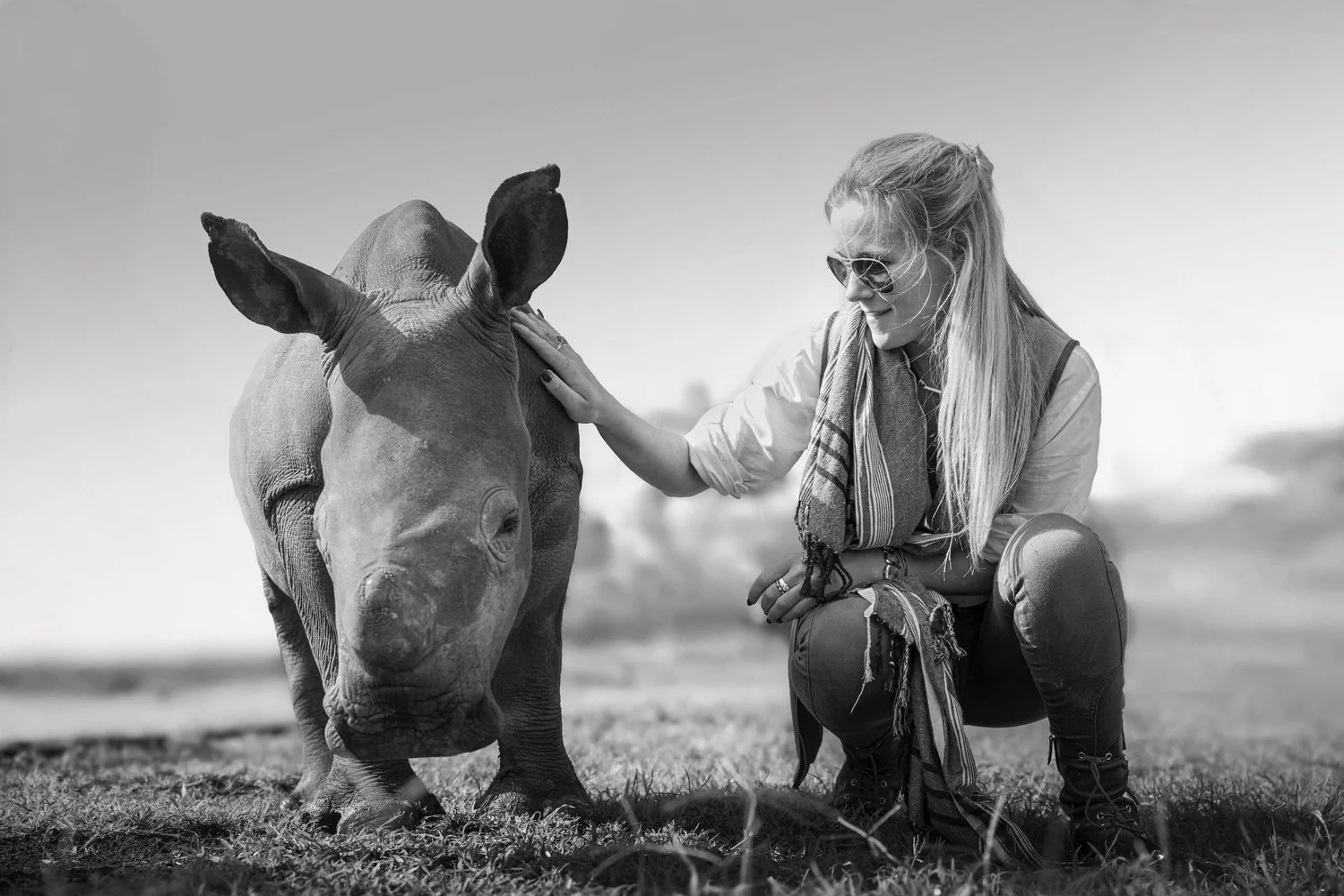
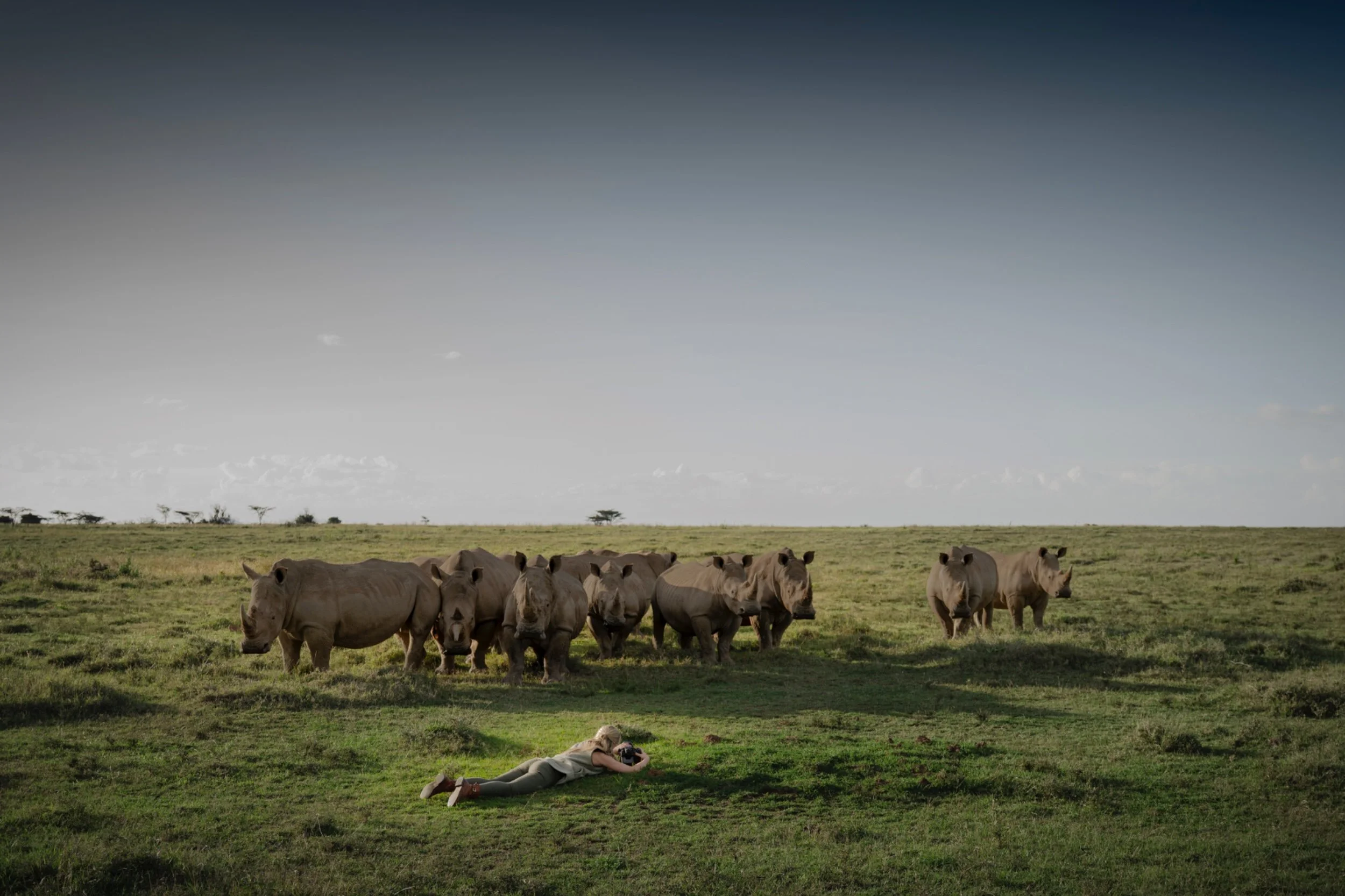
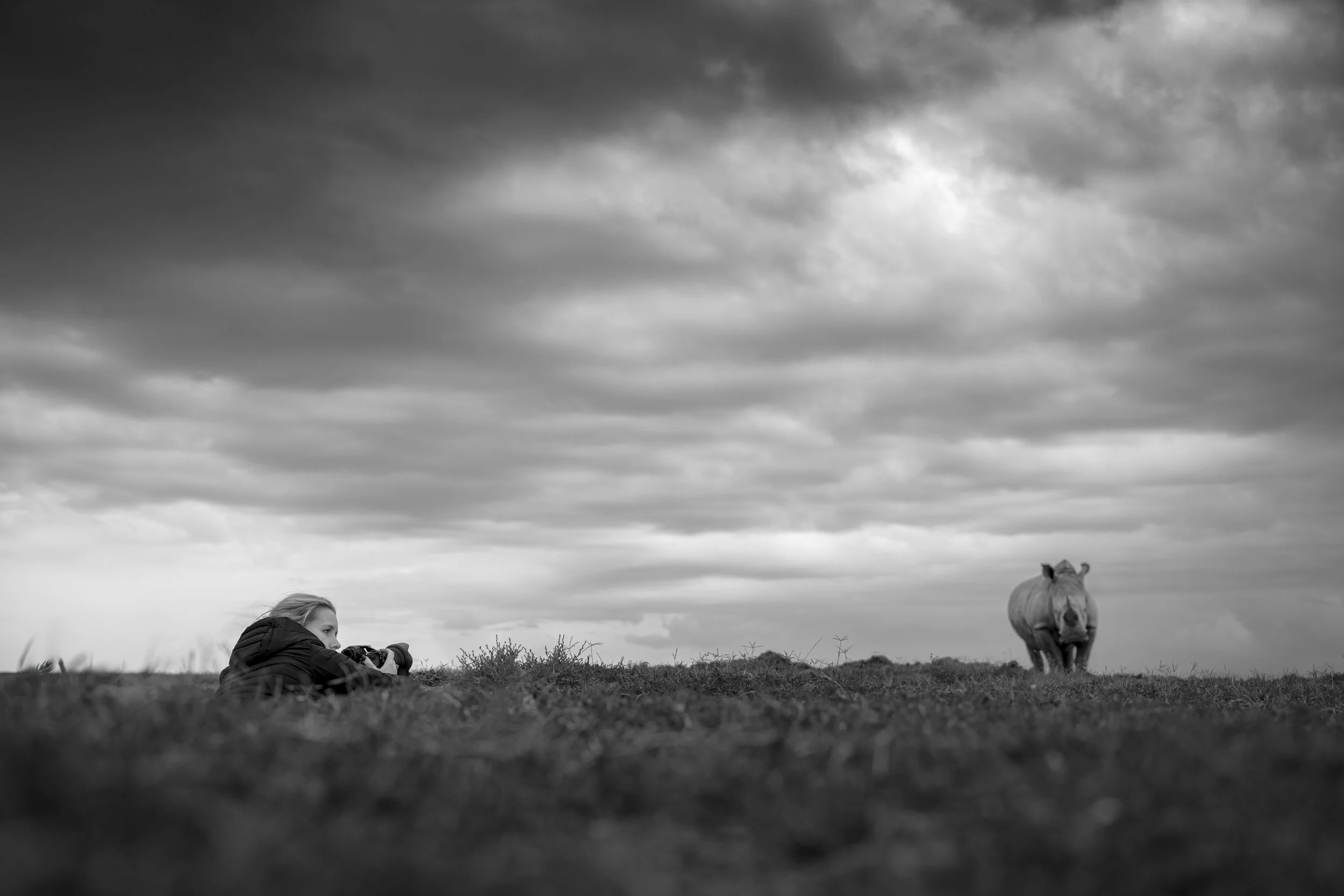
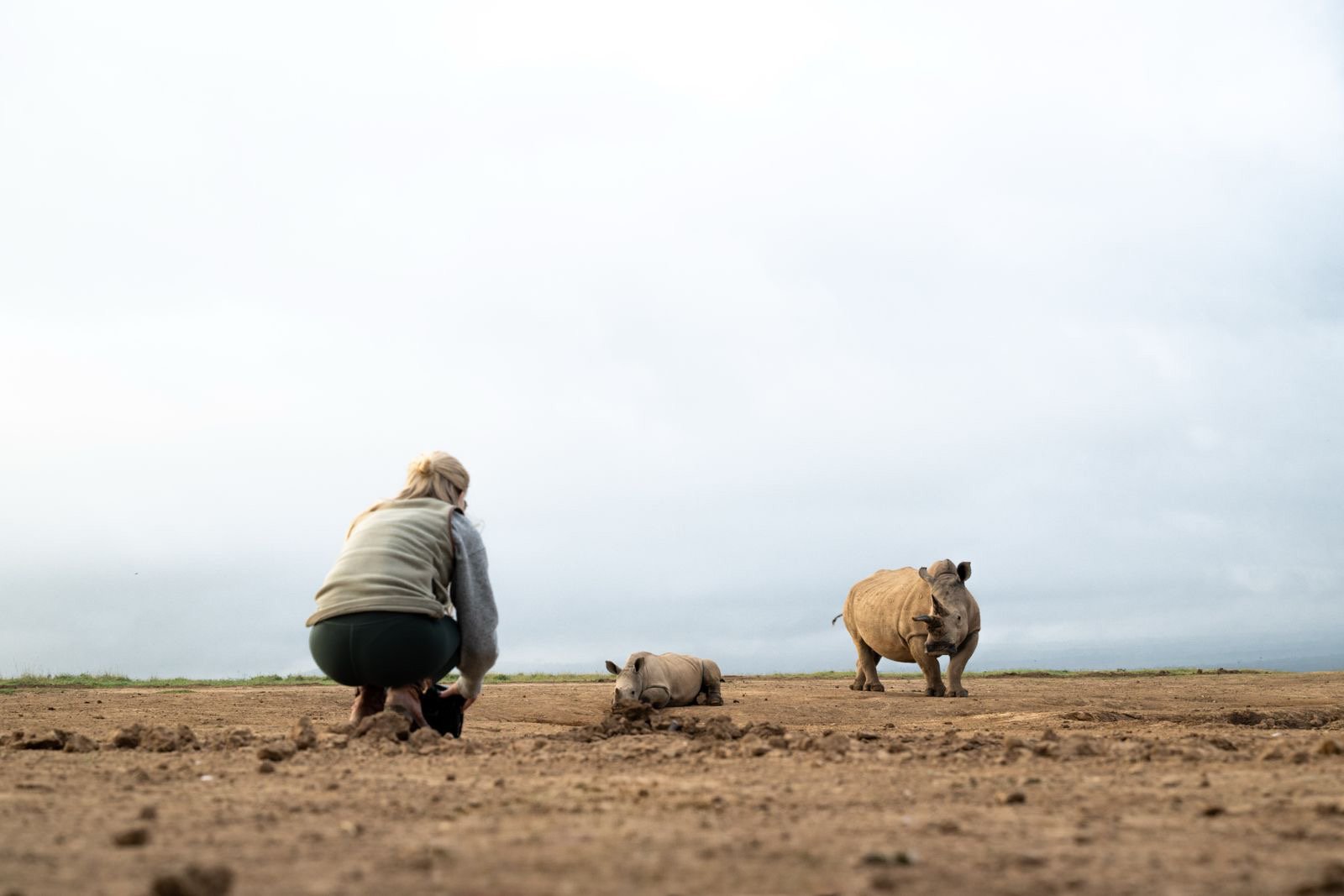
Her work is minimalist and almost always in black and white, built on presence rather than spectacle. Shooting wide and low, she places the viewer inside the frame itself, not simply observing the animal but standing beside it — aware of its scale, its vulnerability, its quiet negotiation with the land it calls home. Every composition carries the discipline of her earlier training: space, light, weather, and mood considered as carefully as they once were on a canvas.
Since picking up a camera in 2024, her work has found widespread recognition, with numerous international photography awards and a growing list of published features, including Air Kenya's in-flight magazine. In 2026, her prints were shown as part of the Arts Below Exhibition, and she remains a contributing artist to Prints for Wildlife, supporting frontline conservation directly through the sale of her work.
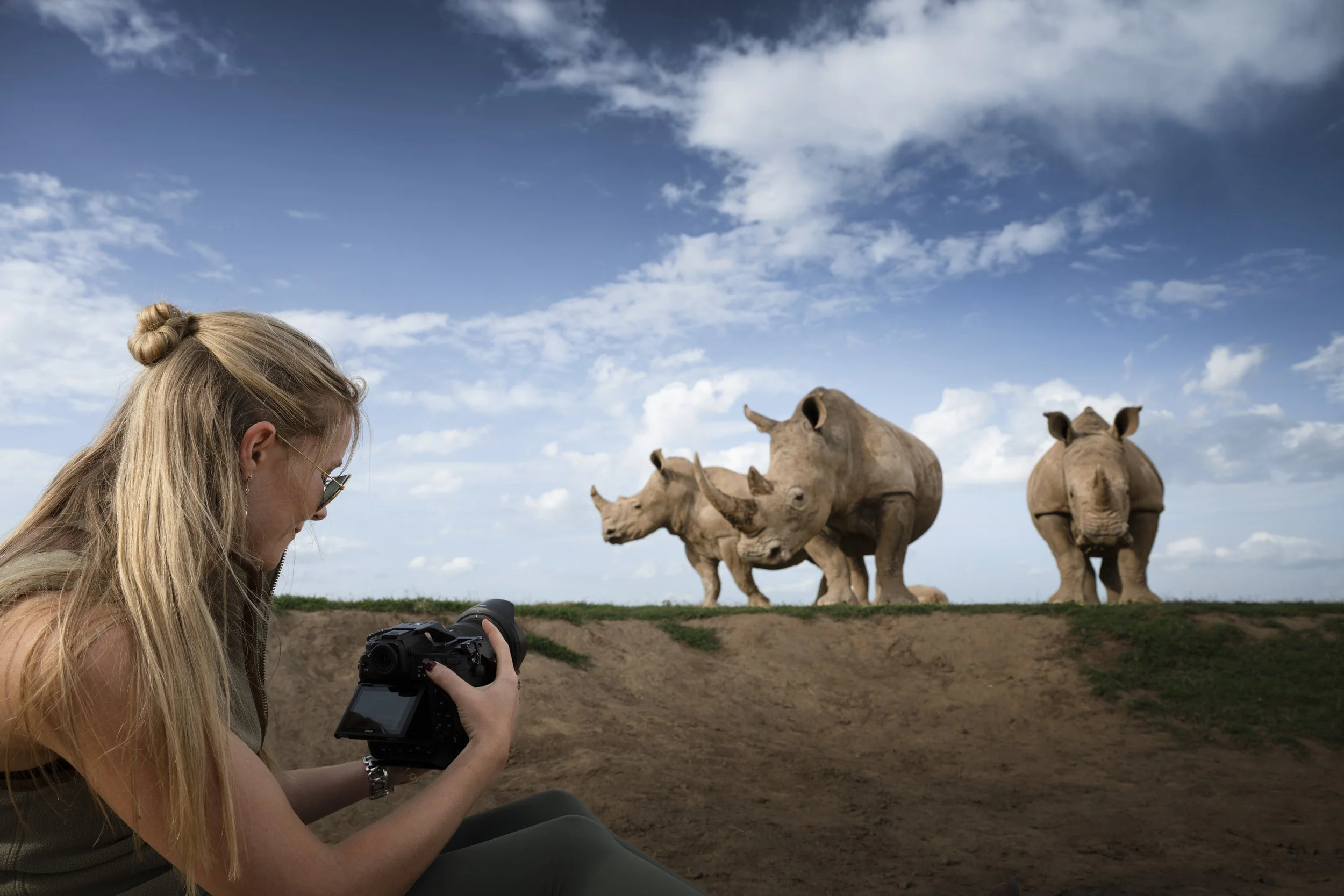
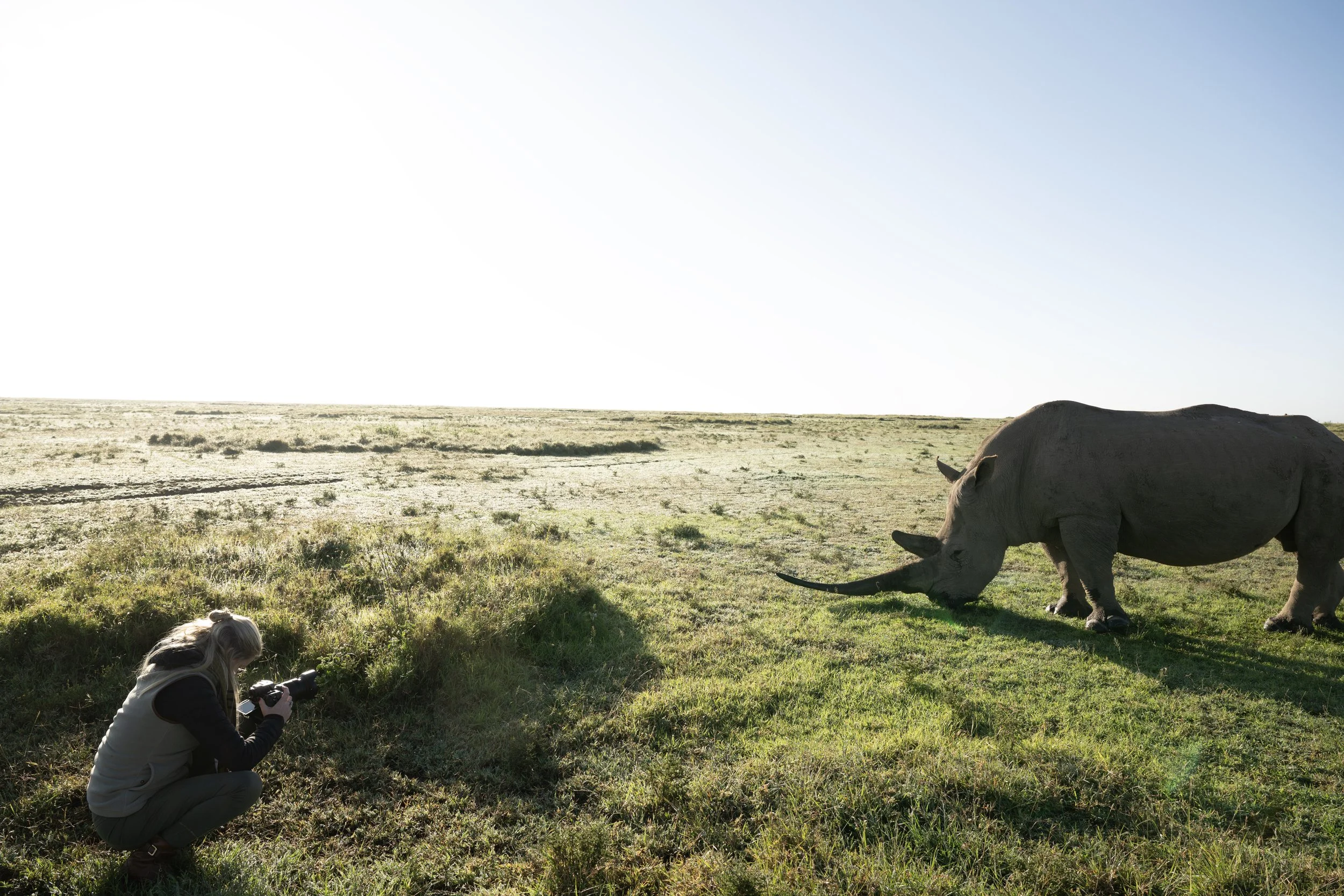
Most of that work is made across Africa, among elephants, big cats, and rhino - not chasing drama, but waiting for the quieter and timeless moments: strength, dignity, coexistence. Each image is an attempt to capture two things at once — the individuality of the animal in front of the lens, and the fragile balance it depends on simply to remain there. At its heart, her photography is about connection: between wildlife and landscape, between stillness and movement, and between the viewer and a world that asks to be respected, protected, and remembered.
From Passion to Purpose
Some people can point to one single moment that changed everything. For me, it wasn't like that — it was a handful of small realizations that only made sense once I looked back and saw how they connected.
It started with one trip, and a feeling I couldn't quite leave behind once I got home...
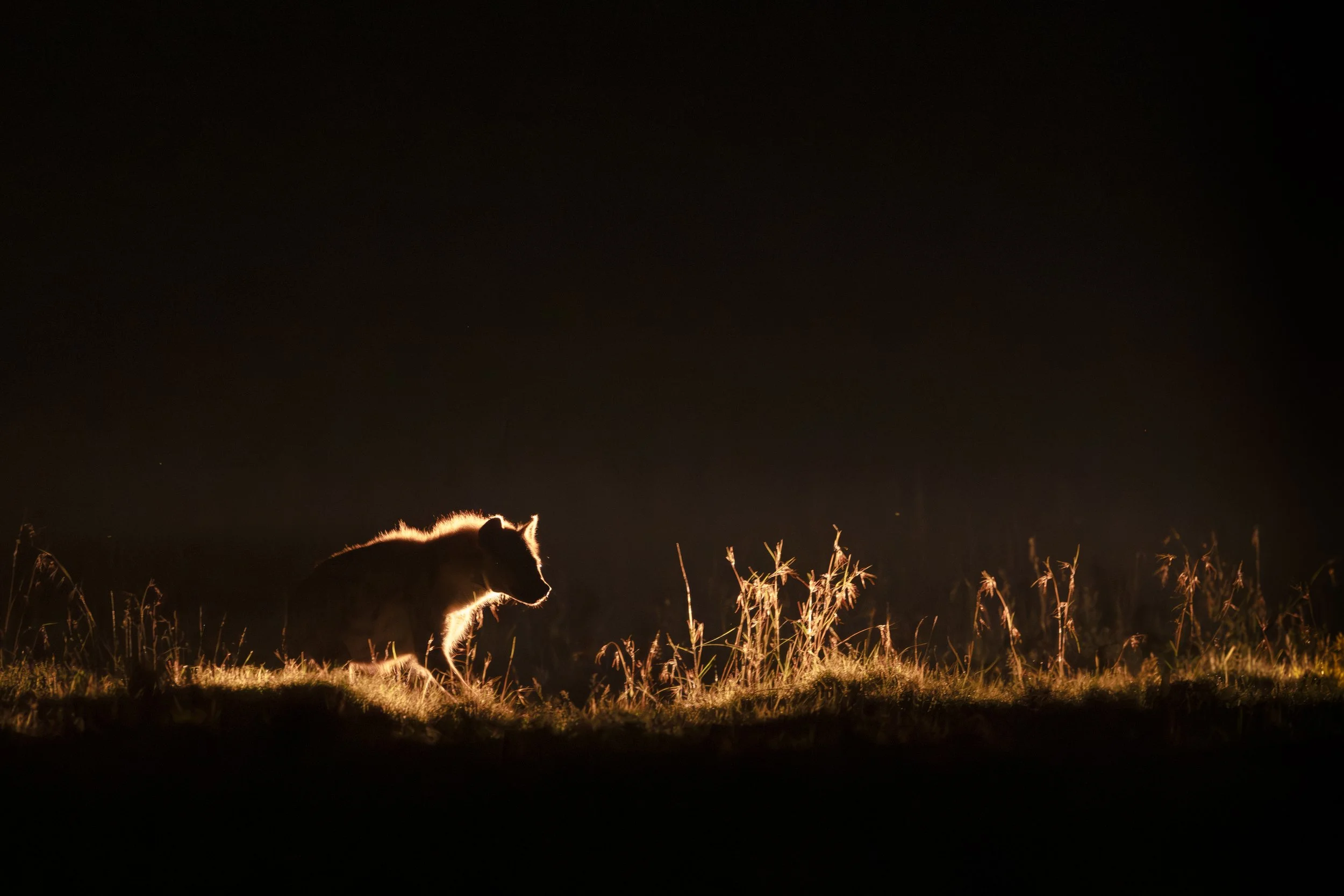
The natural world is not just a backdrop to human activity; it is the very fabric of our existence. Every creature, every landscape, every fragile relationship between them tells a story millions of years in the making — a story of balance, adaptation, and belonging.
Capturing the Moments that Count
Every image starts long before the shutter is pressed.
It’s shaped by curiosity, refined by patience, and driven by the desire to create something that feels both timeless and unexpected.
The Expeditions
Photography has taken me all over the world. Click into the map below to explore the places I’ve visited, and learn more about how the art came to life.

-
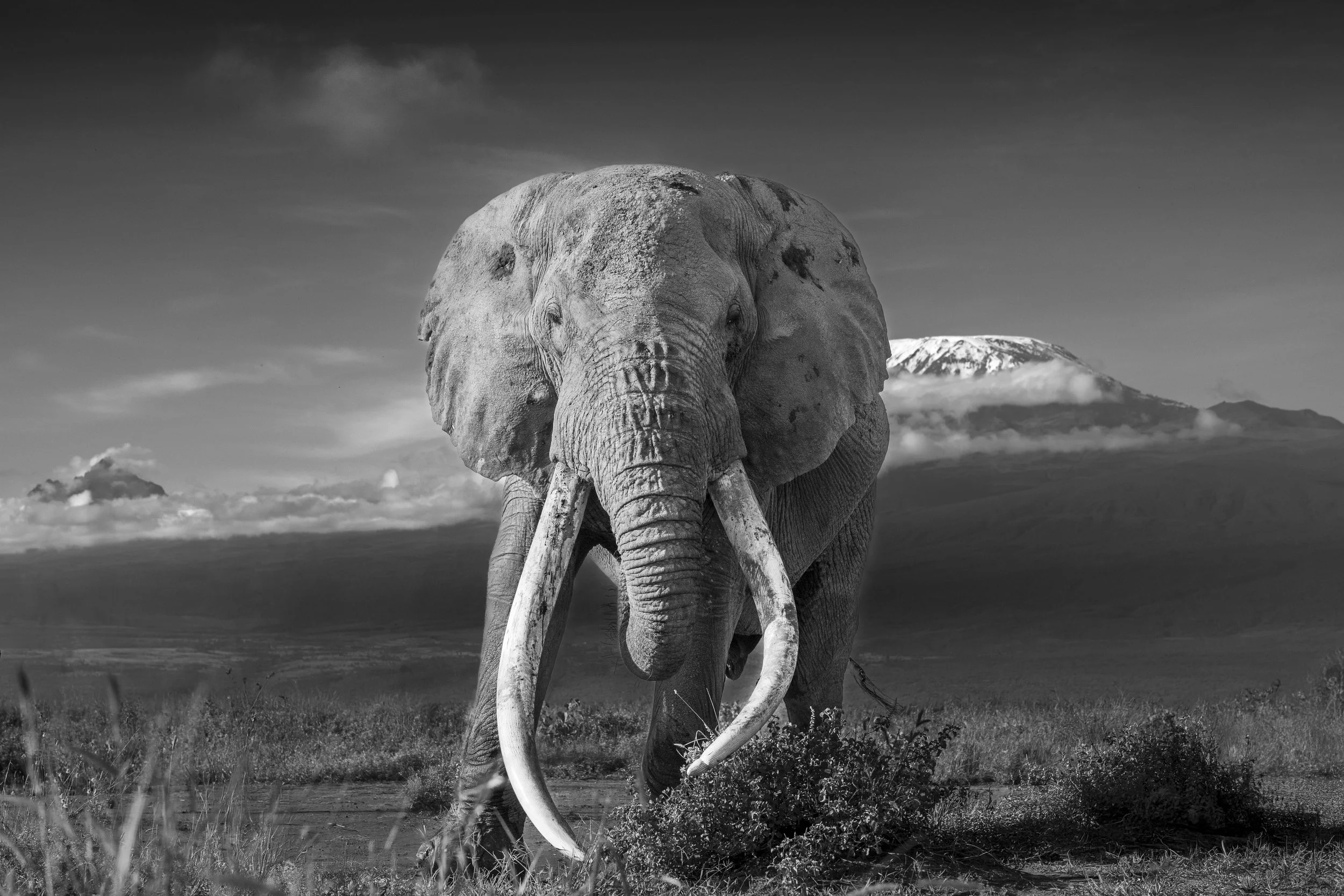
Kenya
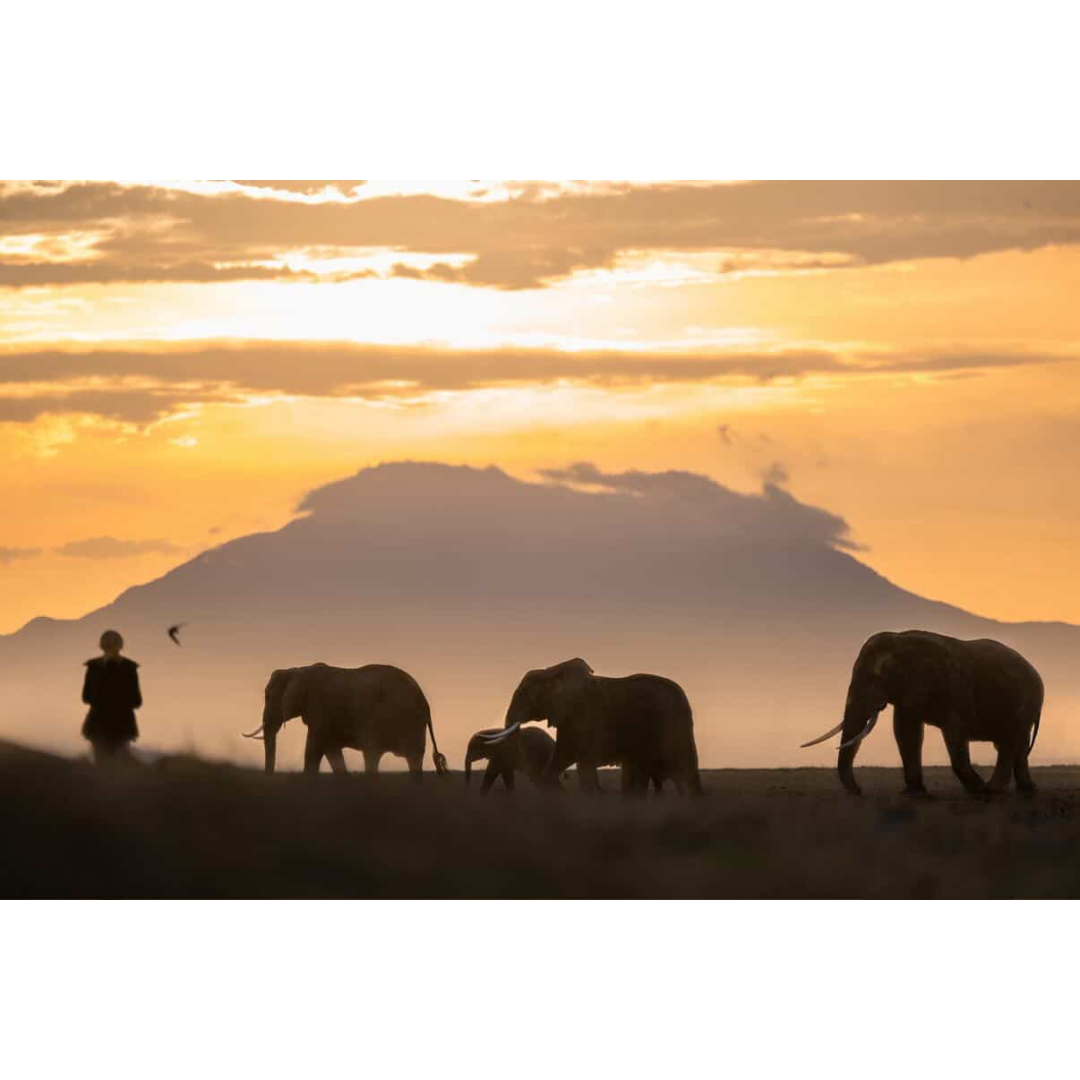
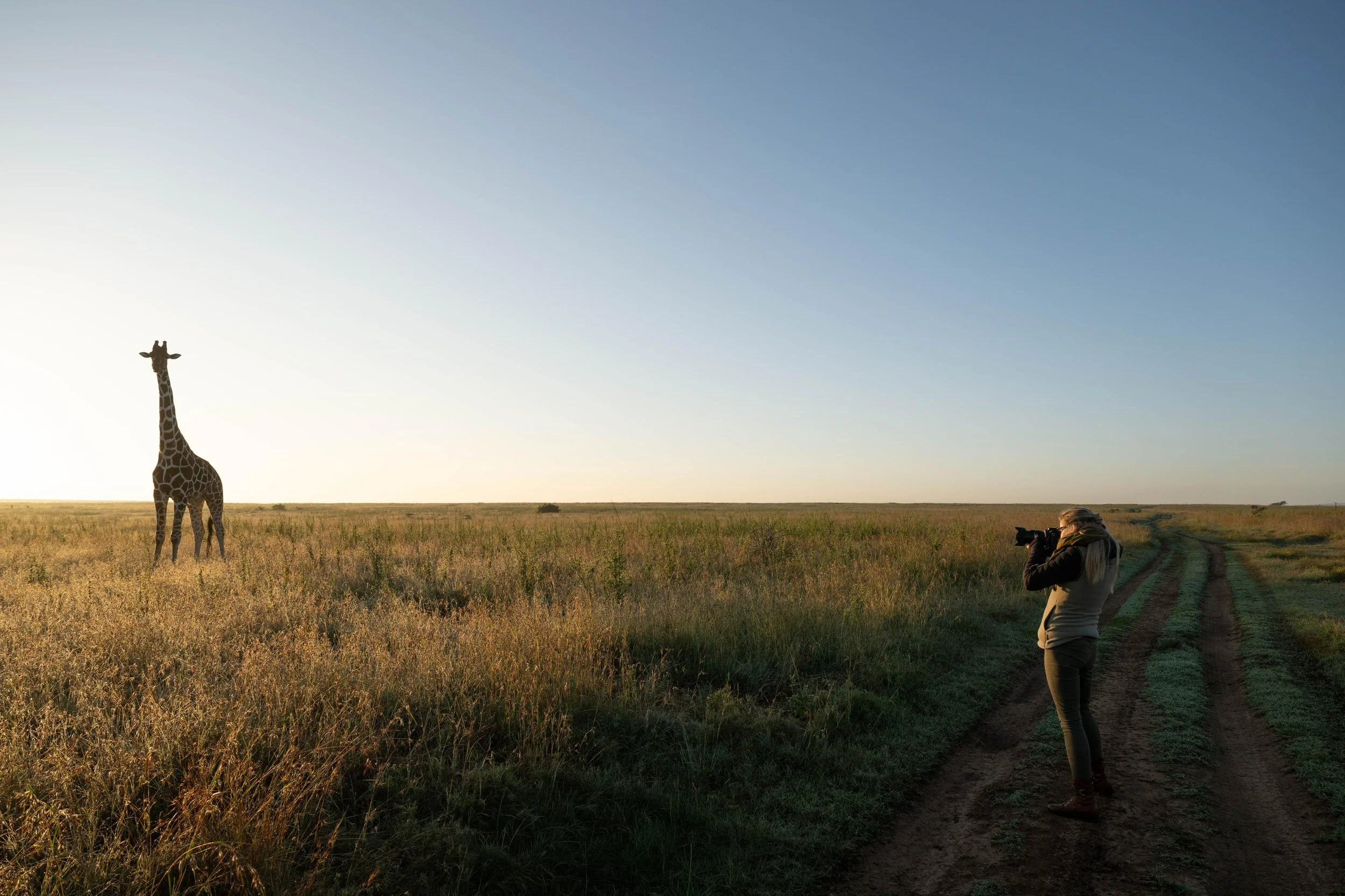
Kenya is a land of endless plains, towering tuskers, and legendary predators. Its iconic wildlife and vast landscapes have shaped much of my photographic journey, offering opportunities to connect with wildlife on their level while conveying a powerful sense of scale. Each visit reveals a new perspective, and with so much still to explore, it remains the place I return to time and again.
EXPLORE | LAND OF ICONS
EXPLORE | APEX | WILD LEGENDS
EXPLORE | ELEMENTS | LIFE IN BALNCE -
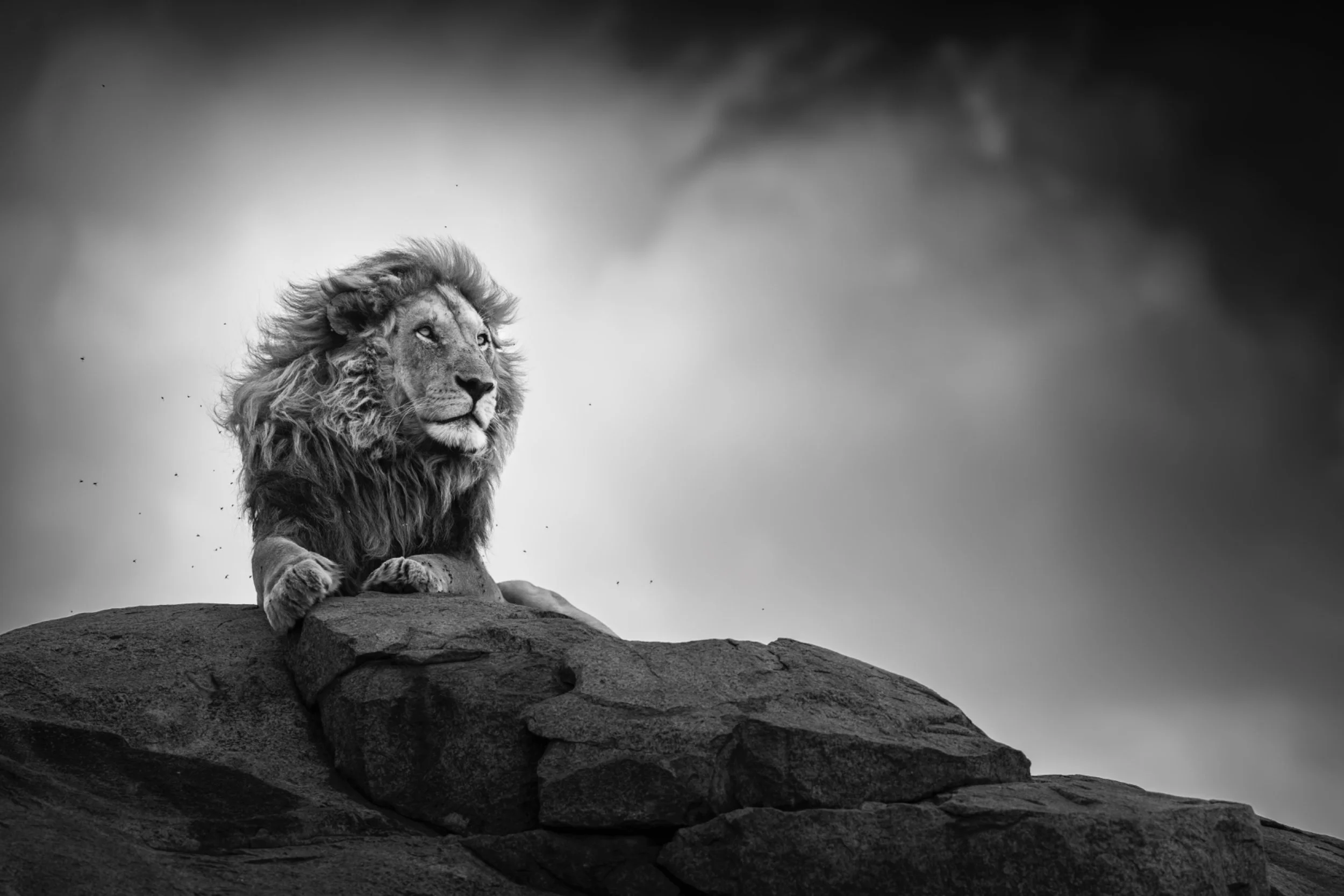
Tanzania
Tanzania is a land of extraordinary contrasts. From the vast plains and kopjes of the Serengeti—home to the Great Migration, the calving season, and some of Africa's most iconic wildlife encounters—to its remote west, untamed south, and Indian Ocean coastline, each region offers a unique sense of place. It is a country that continues to challenge and inspire my photography, with future journeys taking me beyond wildlife into tribal cultures and the underwater world.
EXPLORE | APEX | WILD LEGENDS
EXPLORE | ELEMENTS | LIFE IN BALNCE -
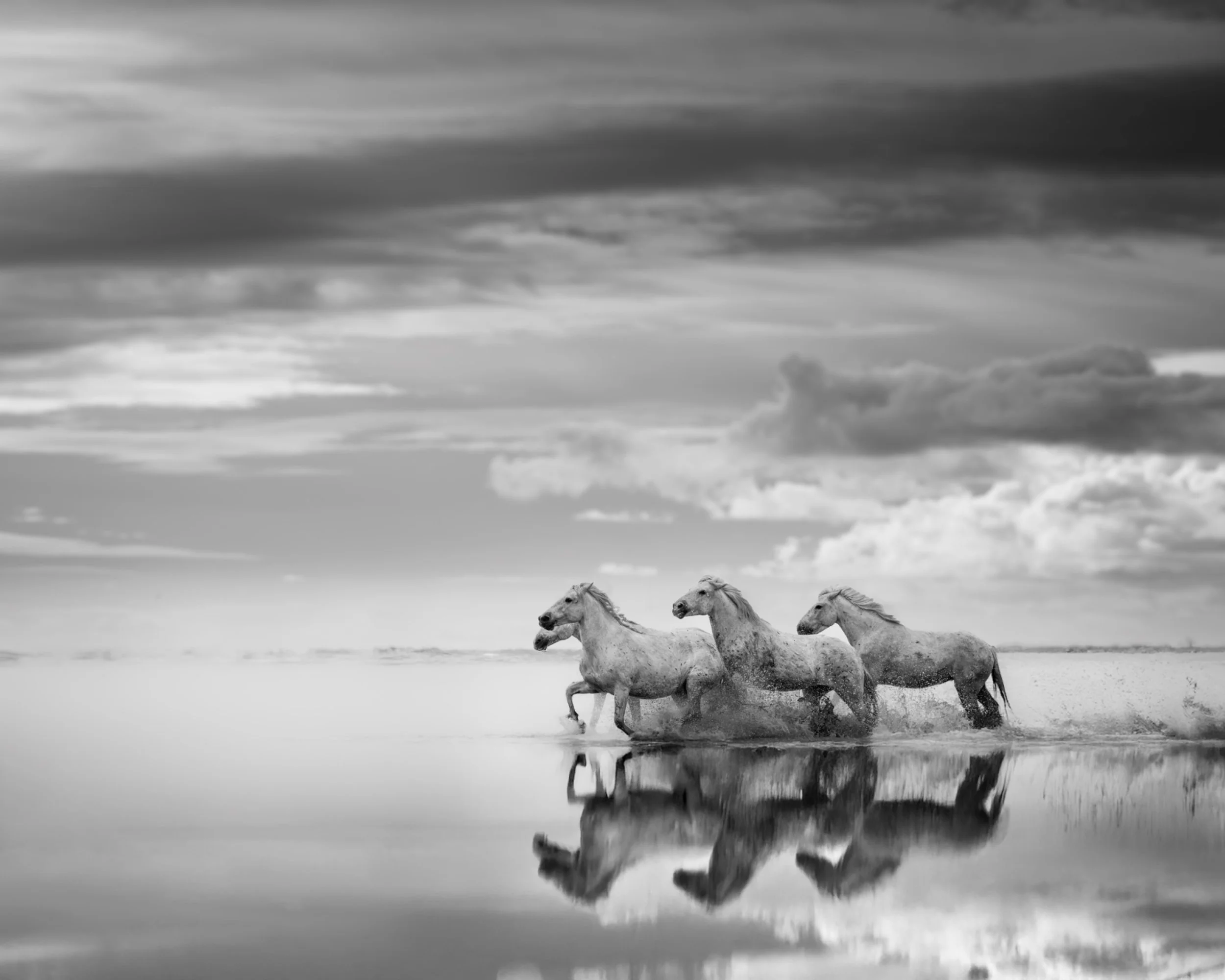
Camargue, France
The Camargue is a landscape defined by light, water, and movement. Amid its salt marshes and open wetlands, the iconic white horses move with a power and elegance unlike anywhere else in the world. Photographing them is an exercise in anticipation, where fleeting moments of energy, atmosphere, and grace come together to celebrate one of Europe's most enduring natural symbols.
-
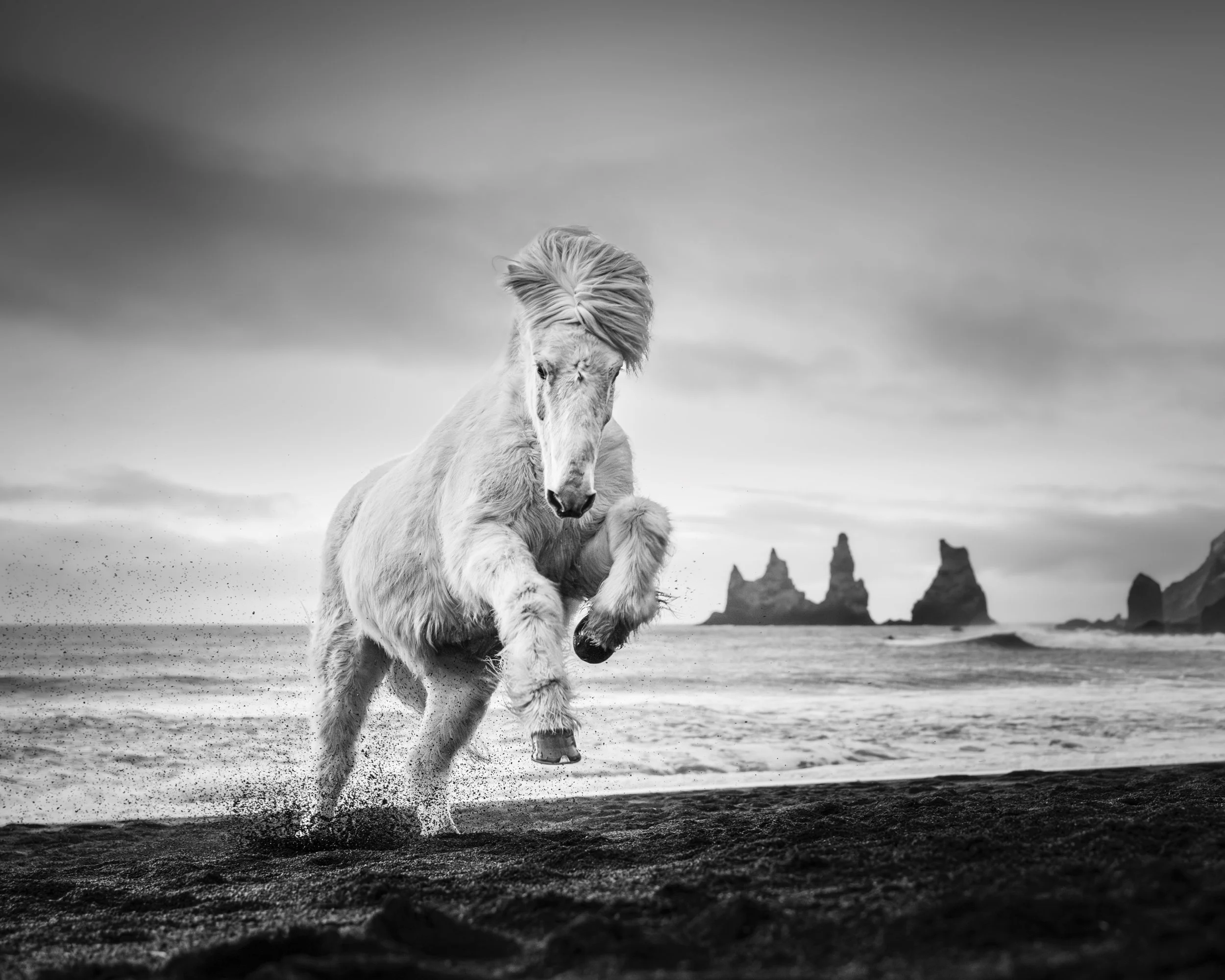
Iceland
Iceland is a land of extremes, where fire and ice have shaped a landscape unlike anywhere else on Earth. My first journey into a truly cold environment, it challenged me in ways no other expedition had. Yet among volcanic plains, glacial valleys, and ever-changing skies, the Icelandic horse seemed perfectly at home—its resilience and quiet strength reflecting the spirit of the landscape. It's little wonder many describe these images as dreamlike; Iceland has a way of blurring the line between reality and imagination.
EXPLORE | EQUUS BOREALIS: BETWEEN FIRE AND ICE -
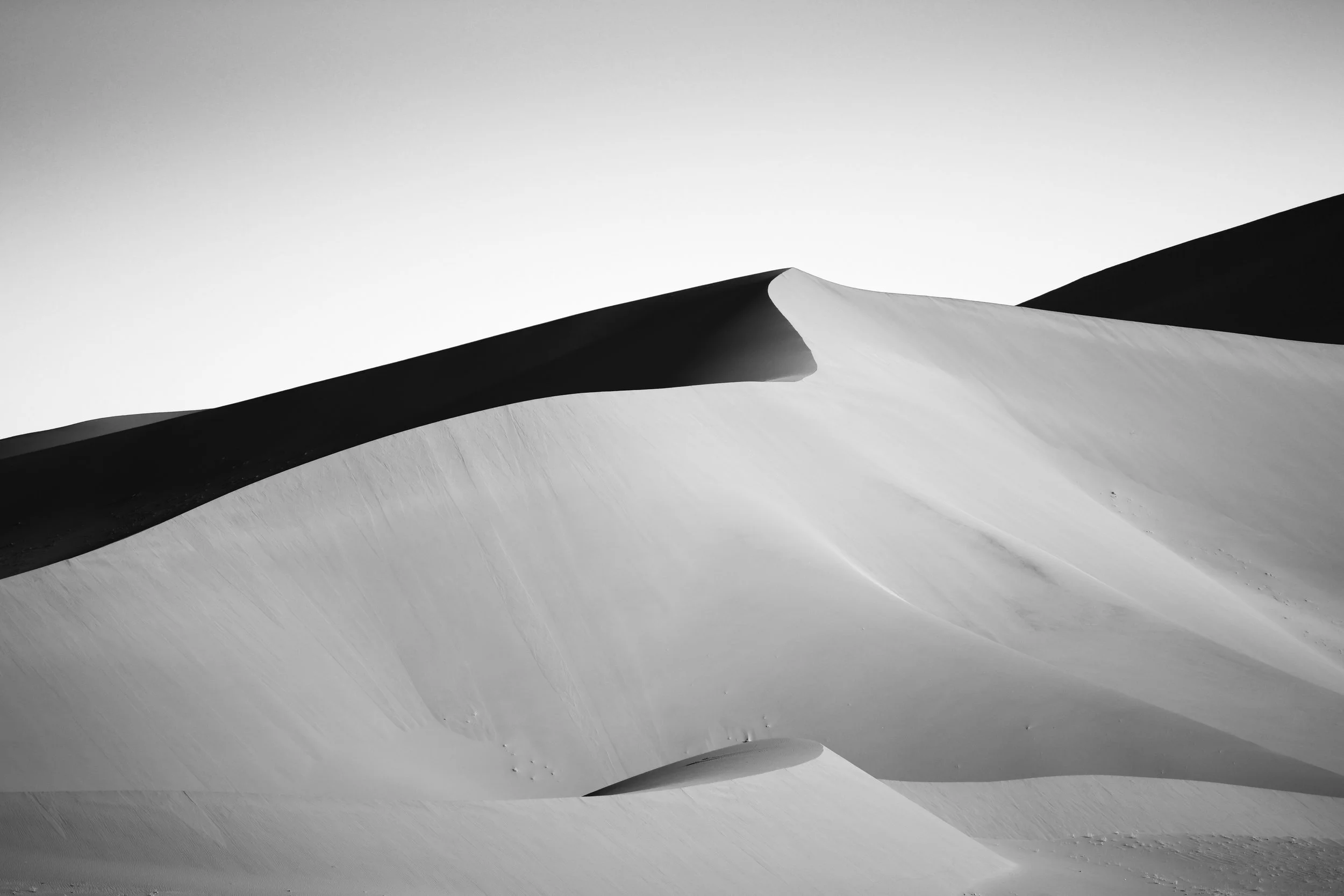
Namibia
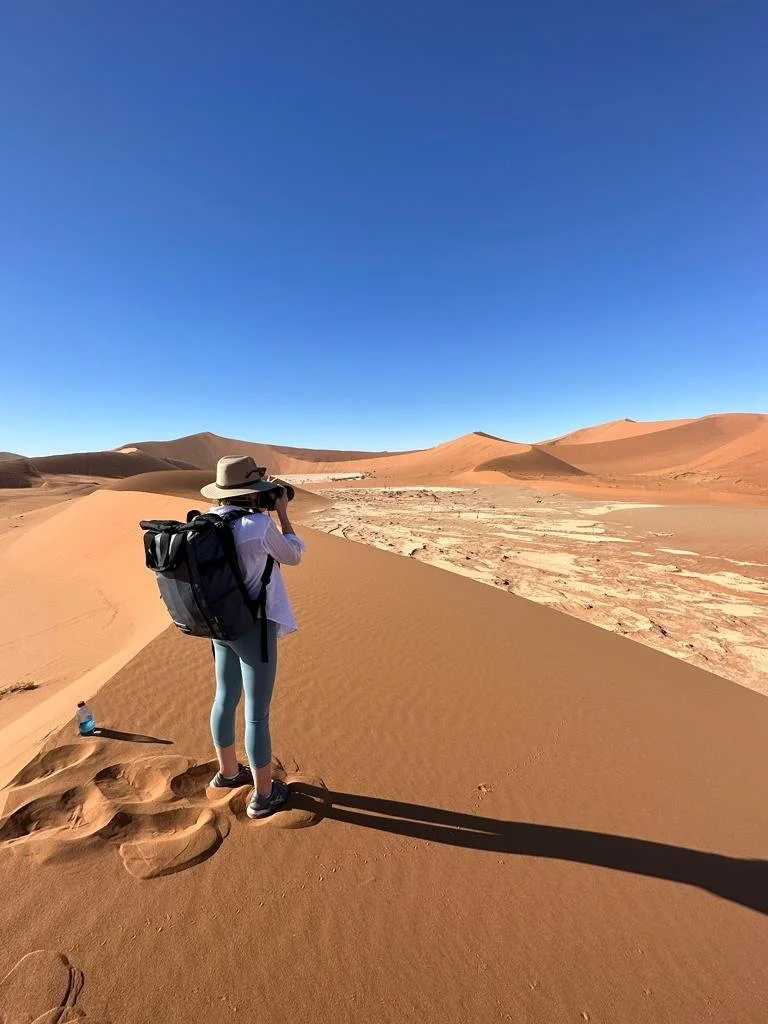
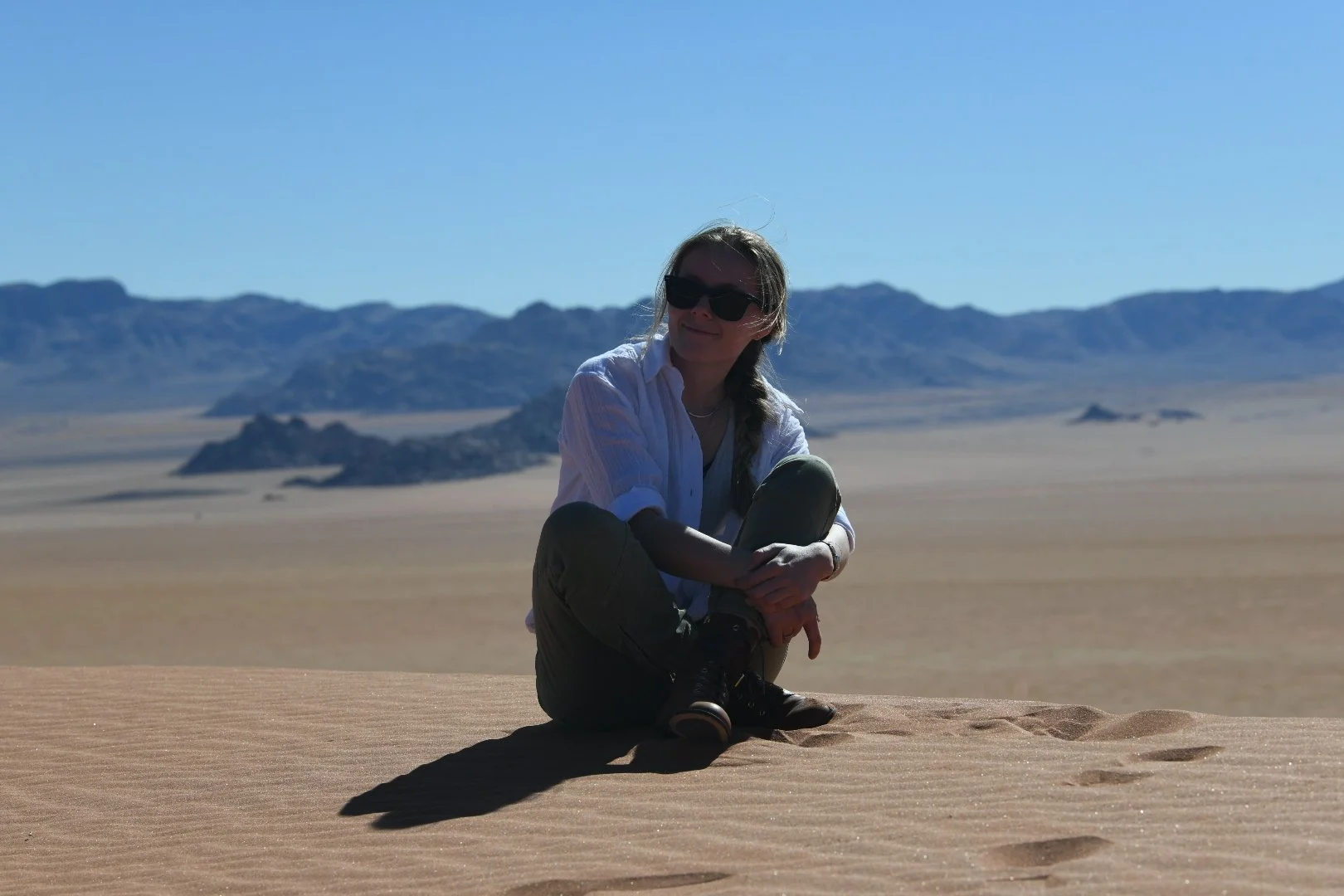
Namibia is where my journey into Africa began. Its towering dunes, shifting light, and endless horizons revealed a landscape of remarkable scale and quiet beauty. At times, it felt like the surface of the moon. Travelling the open roads, I discovered a place that continues to inspire me long after that first visit, and despite everything I saw, I've only scratched the surface. The remote north, with its desert-adapted wildlife and enduring Himba culture, is where the next chapter of that journey awaits.
-
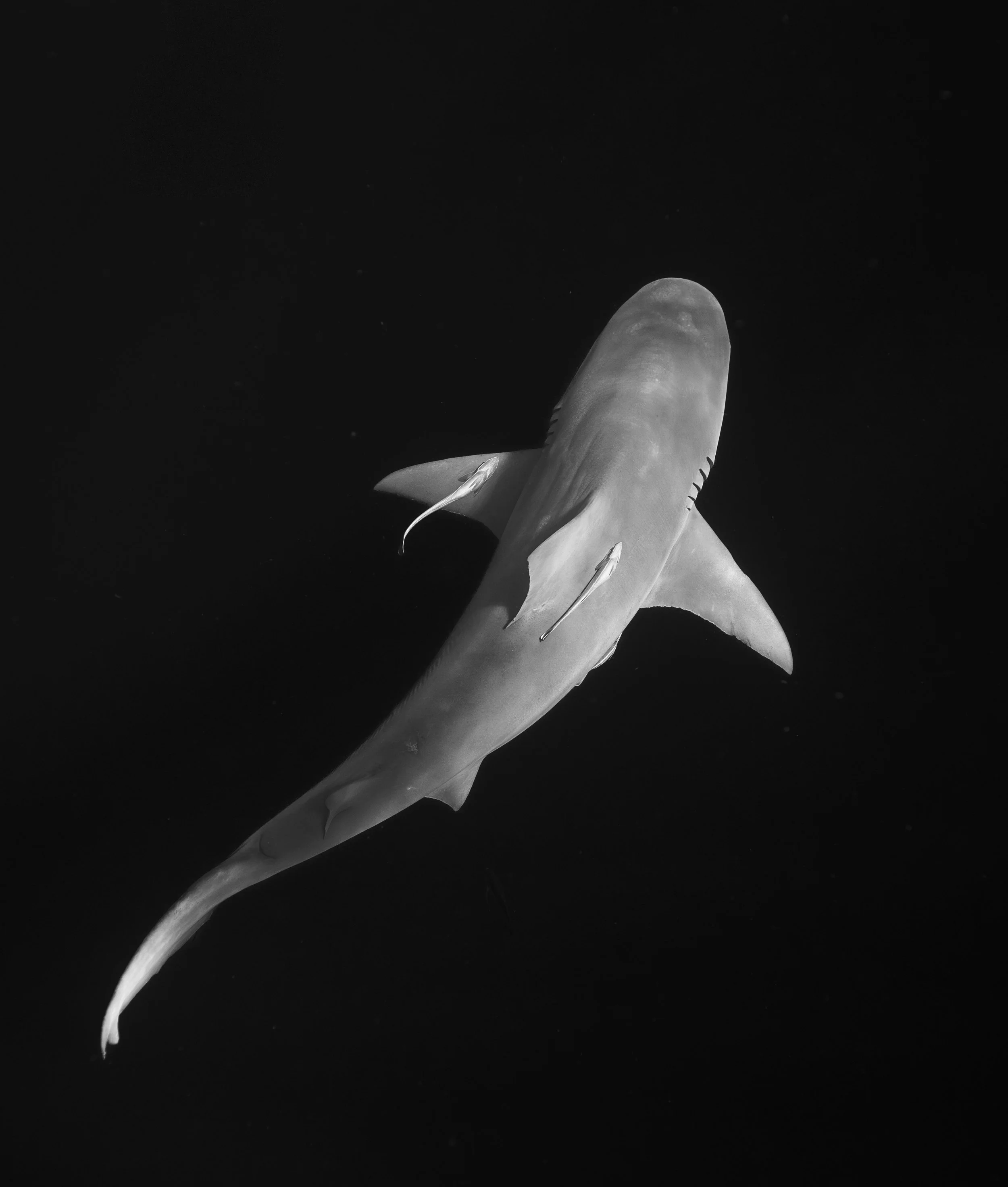
Miami
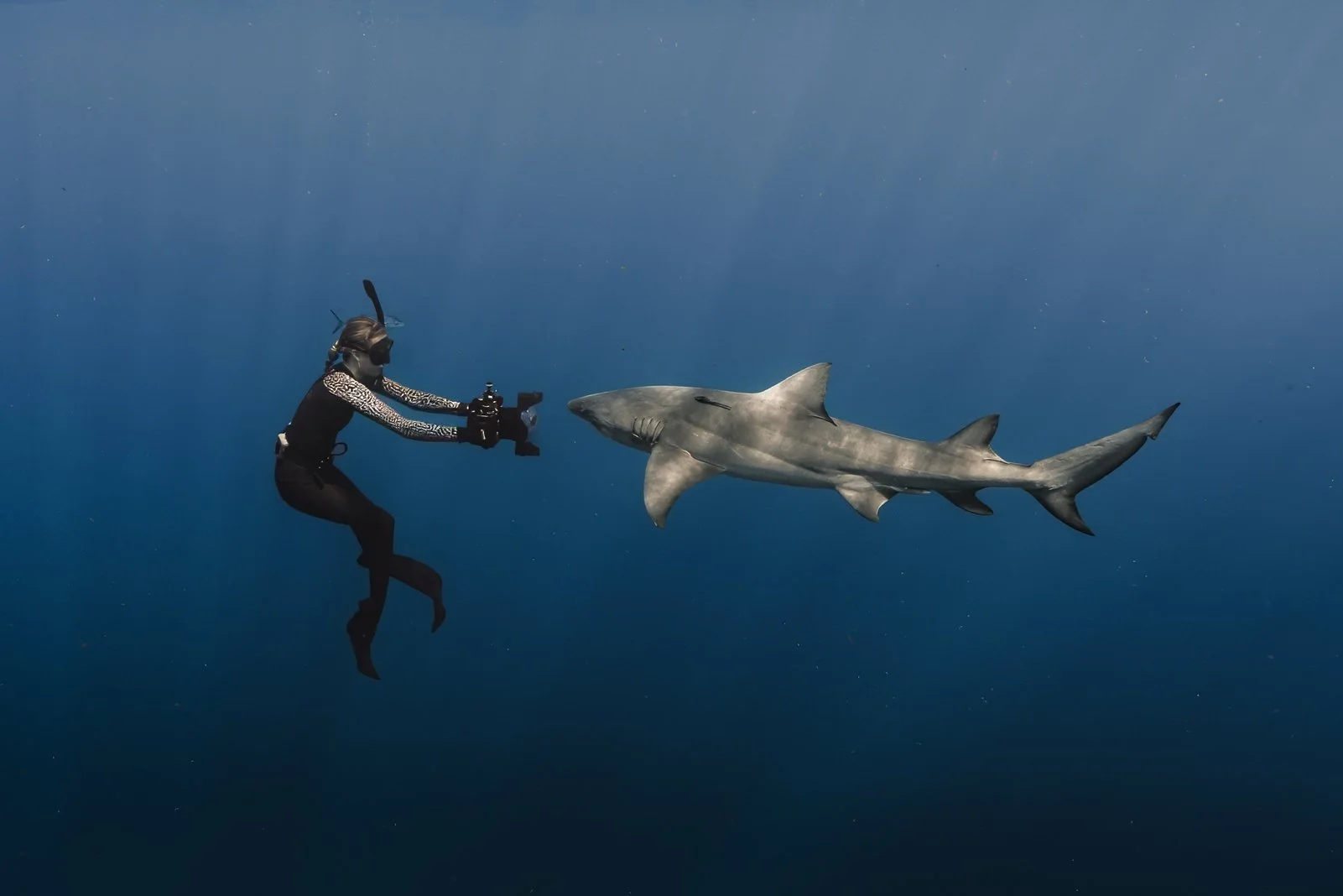
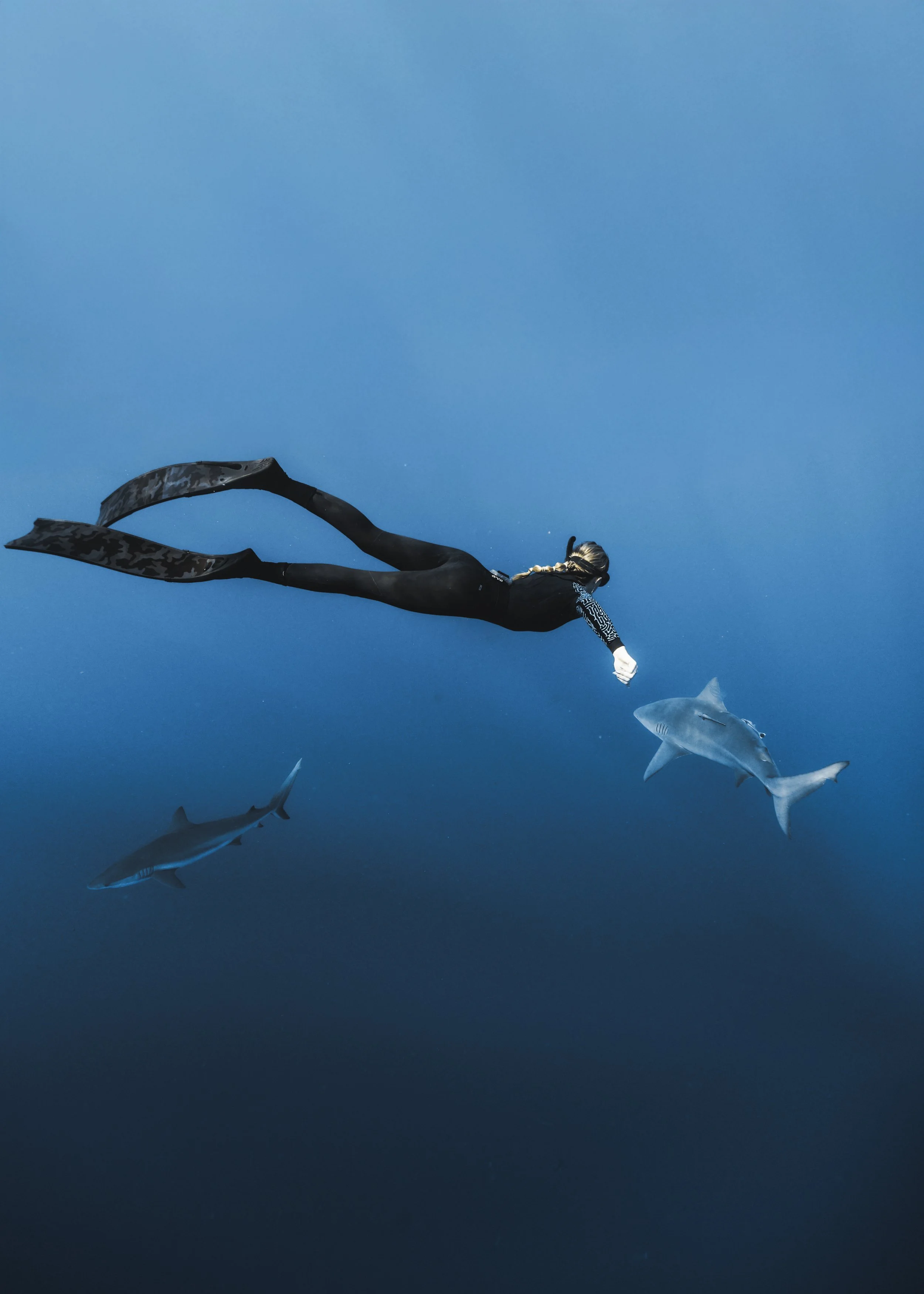
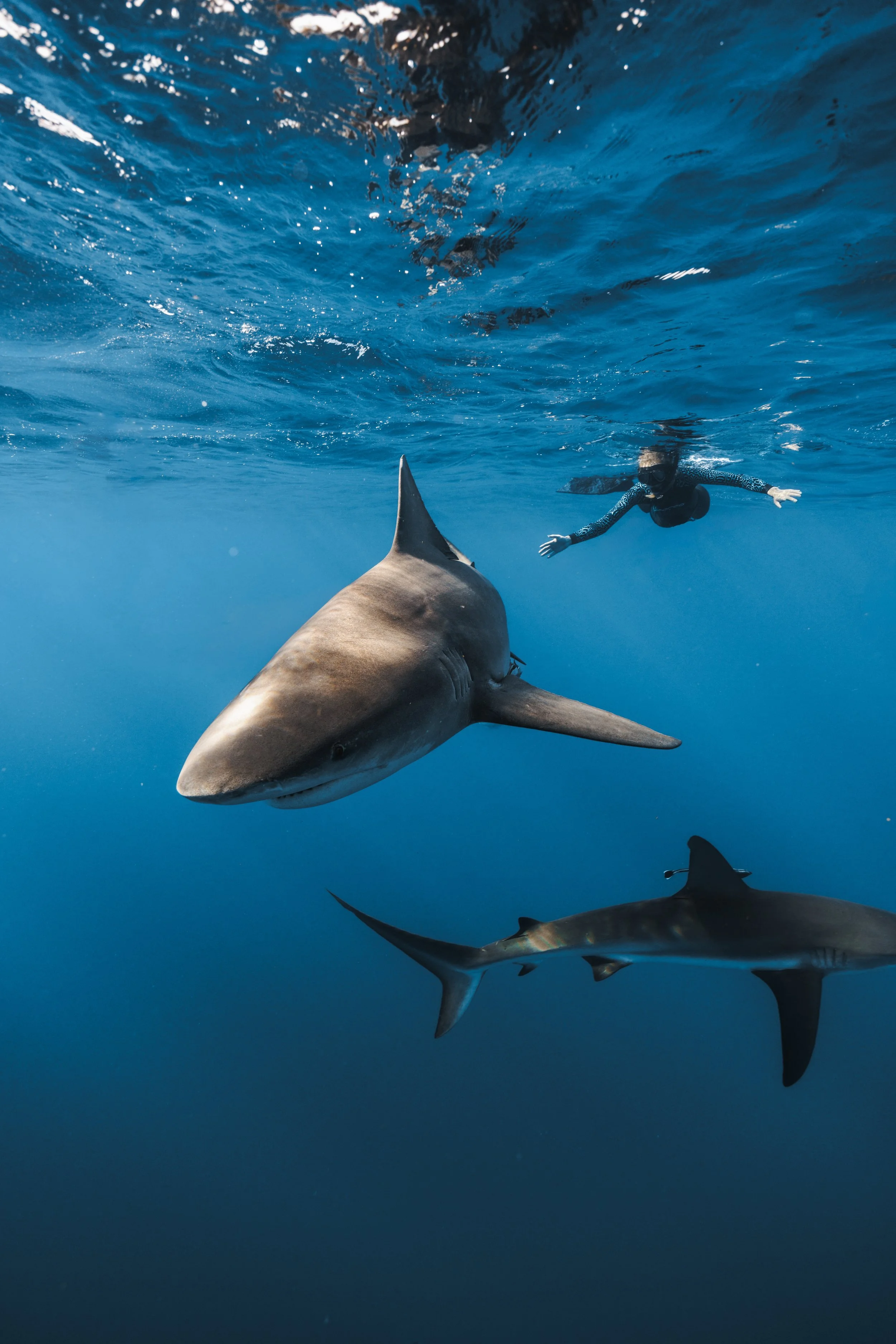
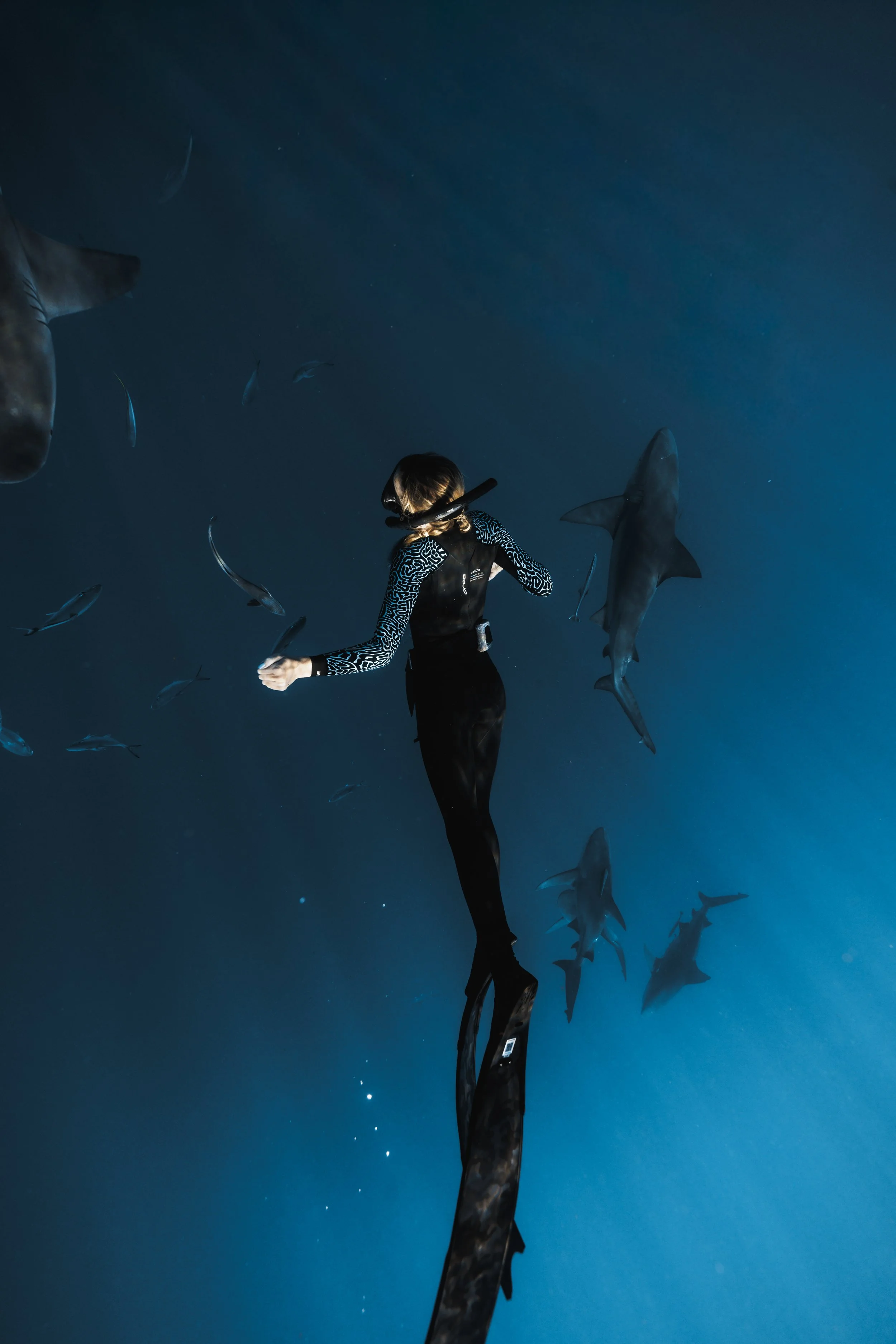
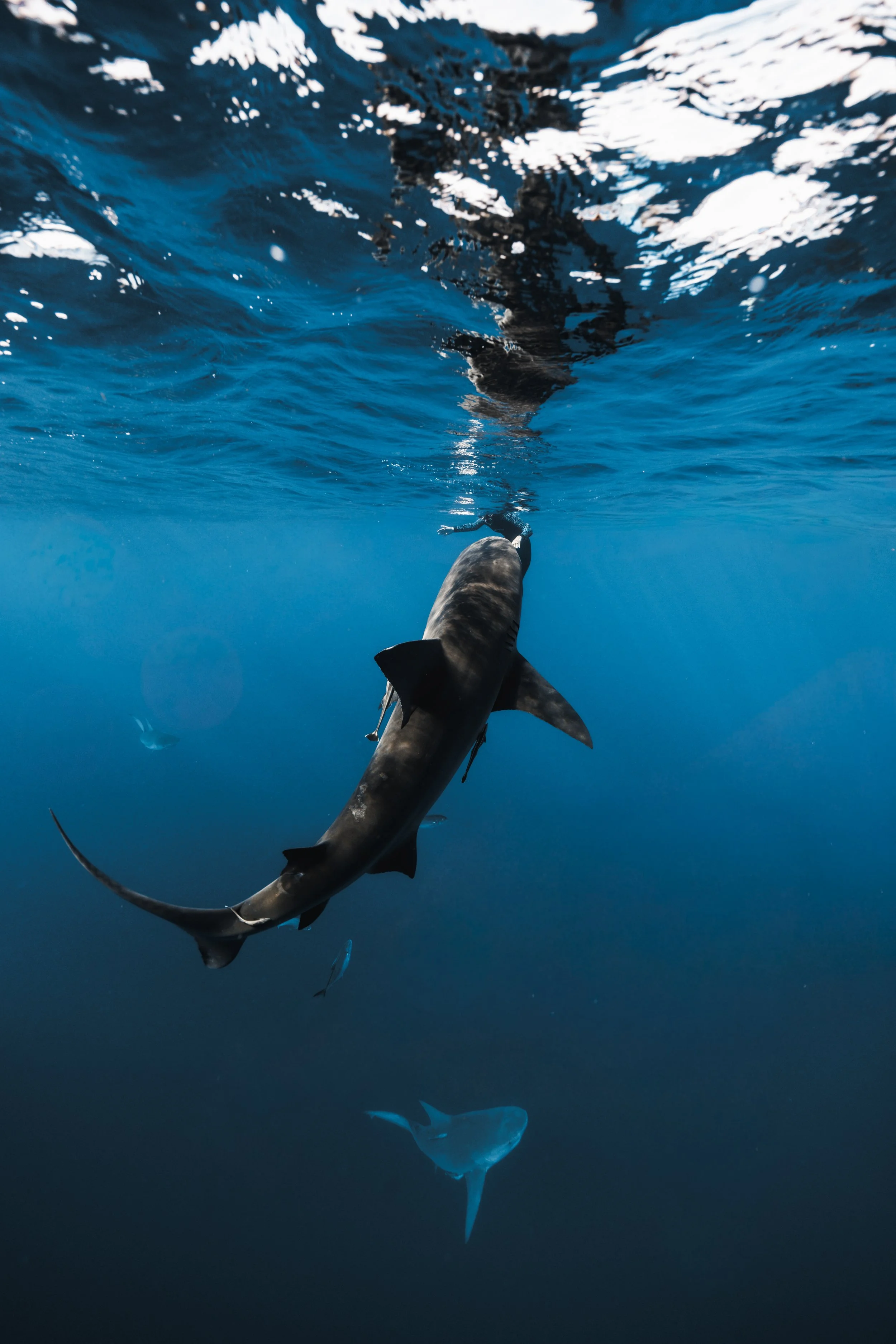
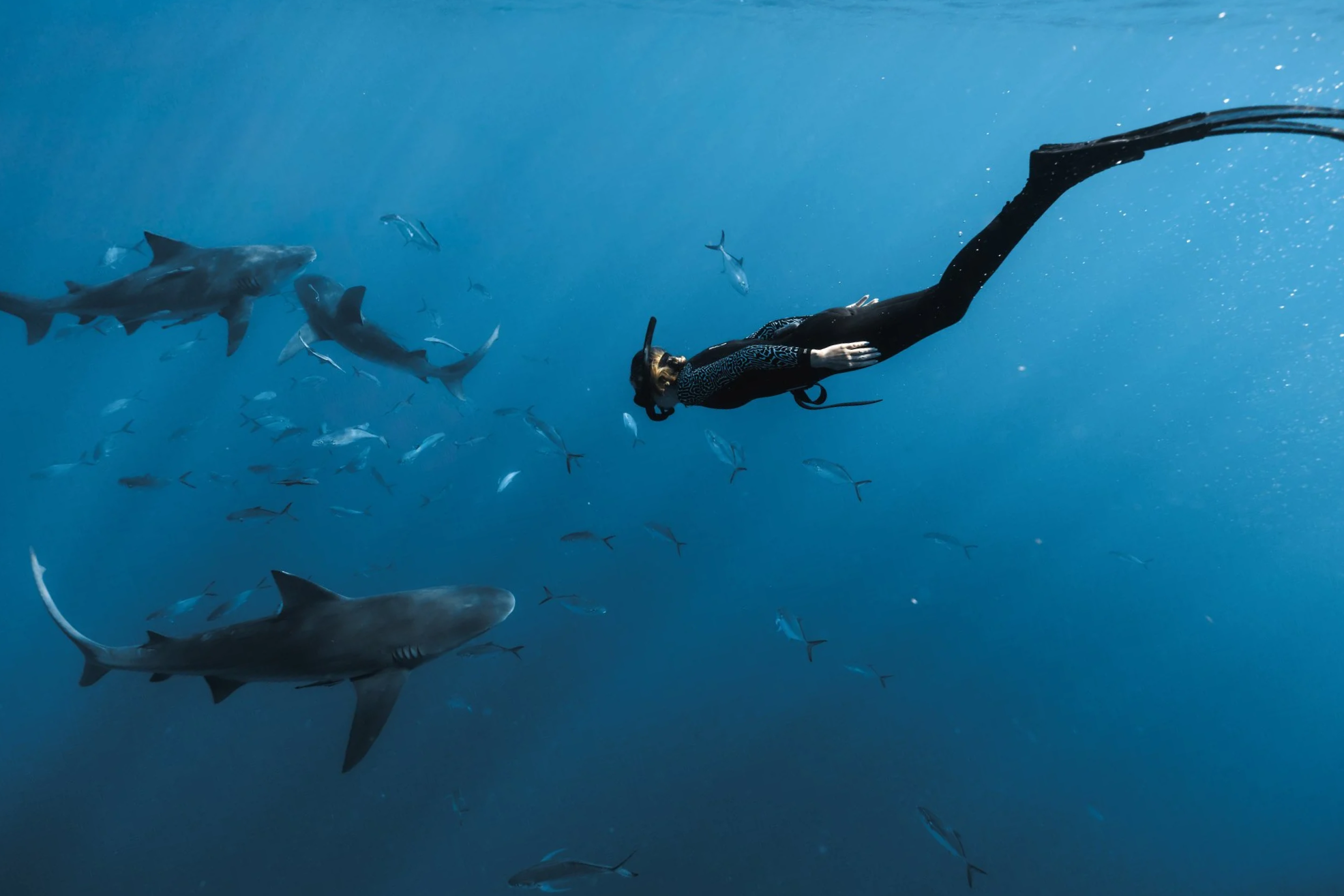
Florida and the Caribbean marked my first steps into the underwater world, beginning with encounters alongside sharks in their natural environment. Without barriers between subject and photographer, the experience was entirely immersive—one that reshaped my understanding of both wildlife and the power of visual storytelling. Far from their reputation, sharks revealed themselves as intelligent, composed, and misunderstood.
It is an experience I am still learning how to translate into imagery. A new challenge, and the beginning of a journey I cannot wait to continue.
EXPLORE | UPCOMING SERIES | WHAT LIES BENEATH
READ | BELOW THE SURFACE -
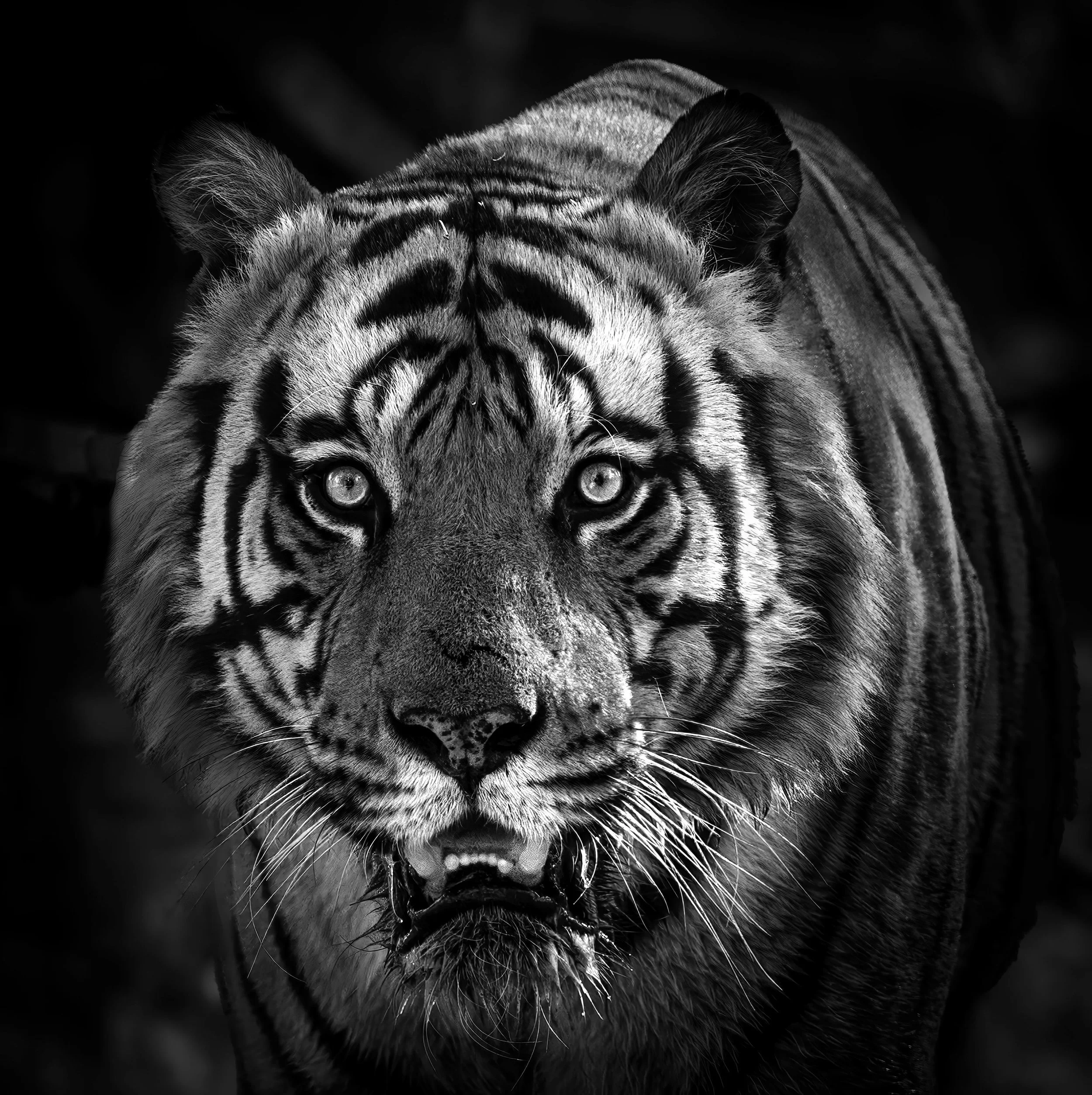
Central India
Central India is a landscape defined by density, heat, and patience. In the forests of Bandhavgarh, the tiger is rarely seen directly—more often sensed through movement, sound, and a shadow moving through the leaves and undergrowth. It was by far my most challenging photographic shoot to date, demanding long hours waiting for wildlife to reveal itself on its own terms. Yet within that challenge lies its reward: fleeting moments of extraordinary beauty. All you need is one moment…
-
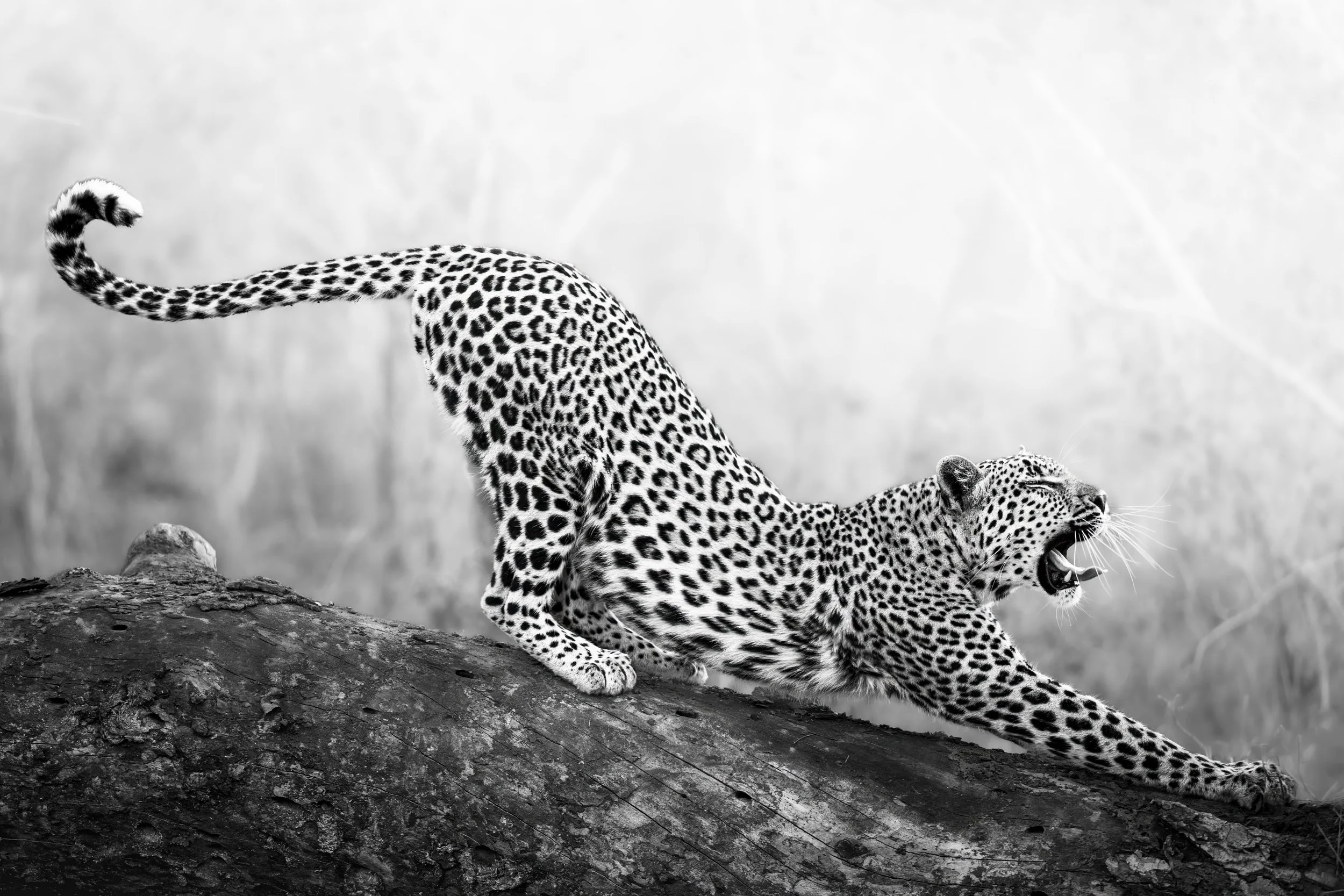
South Africa
The land of the Big Five, and diverse in its truest sense. Because of that, I often find that less is more when it comes to selecting subject. So I chose to focus on cats. Sabi Sabi and Tiger Canyon became the centres of that pursuit—leopards and lions in particular, with Tiger Canyon offering something entirely unique, and some of my most memorable interactions with cheetah.
-
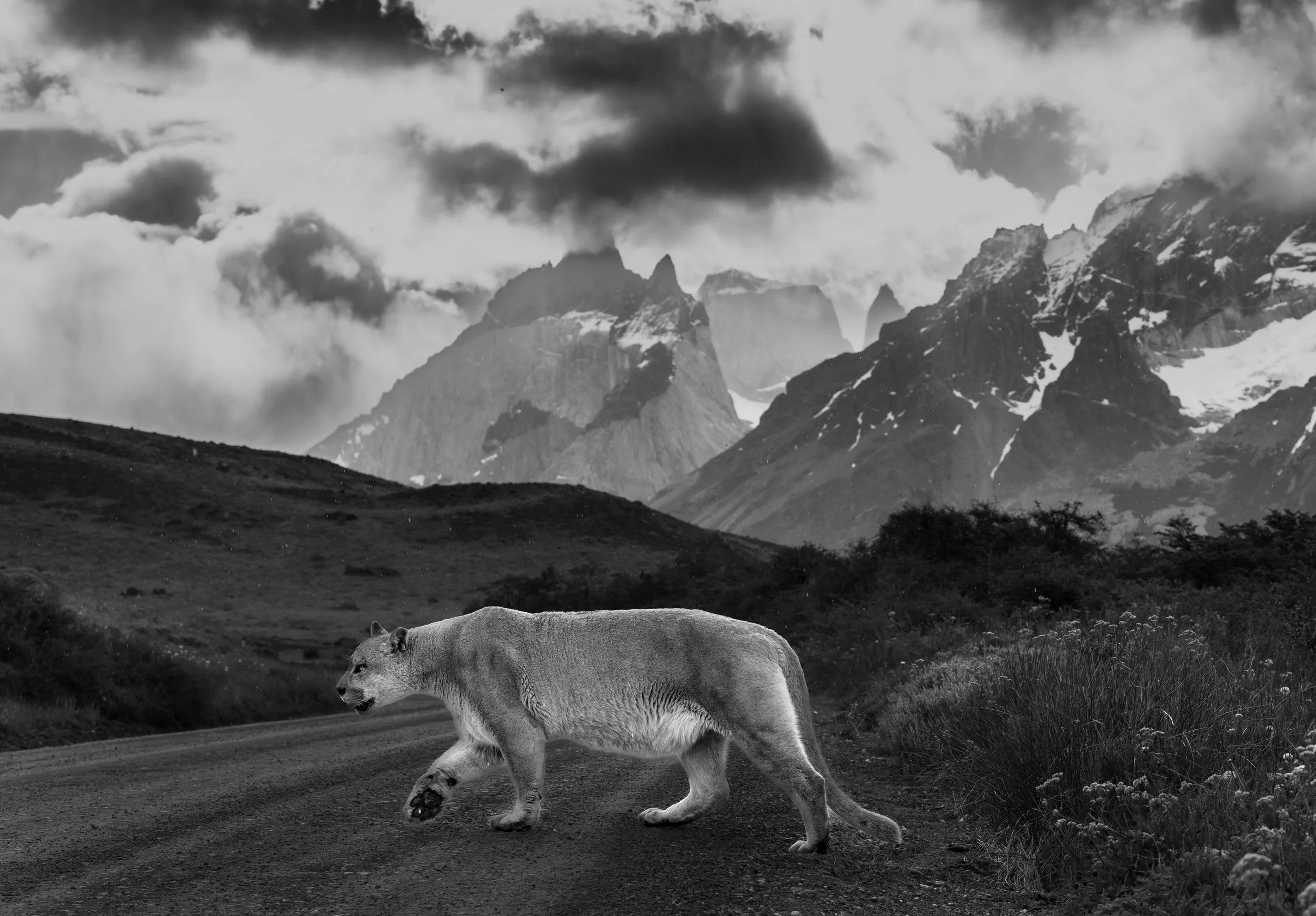
Torres del Paine, Chile
Torres del Paine is a landscape shaped by wind and distance, where conditions shift without warning—sun, snow, rain, and clear skies often within the same day. The wind moves constantly across the steppe, stripping the land to its essentials. My focus here was the puma, moving through terrain that feels vast, where encounters are rare and defined as much by the space around them as the subject itself. Capturing a sense of scale and the elements reflects just how extreme this environment is, and how wildlife adapts to it.
EXPLORE | APEX: WILD LEGENDS
EXPLORE | ELEMENTS: LIFE IN BALANCE -
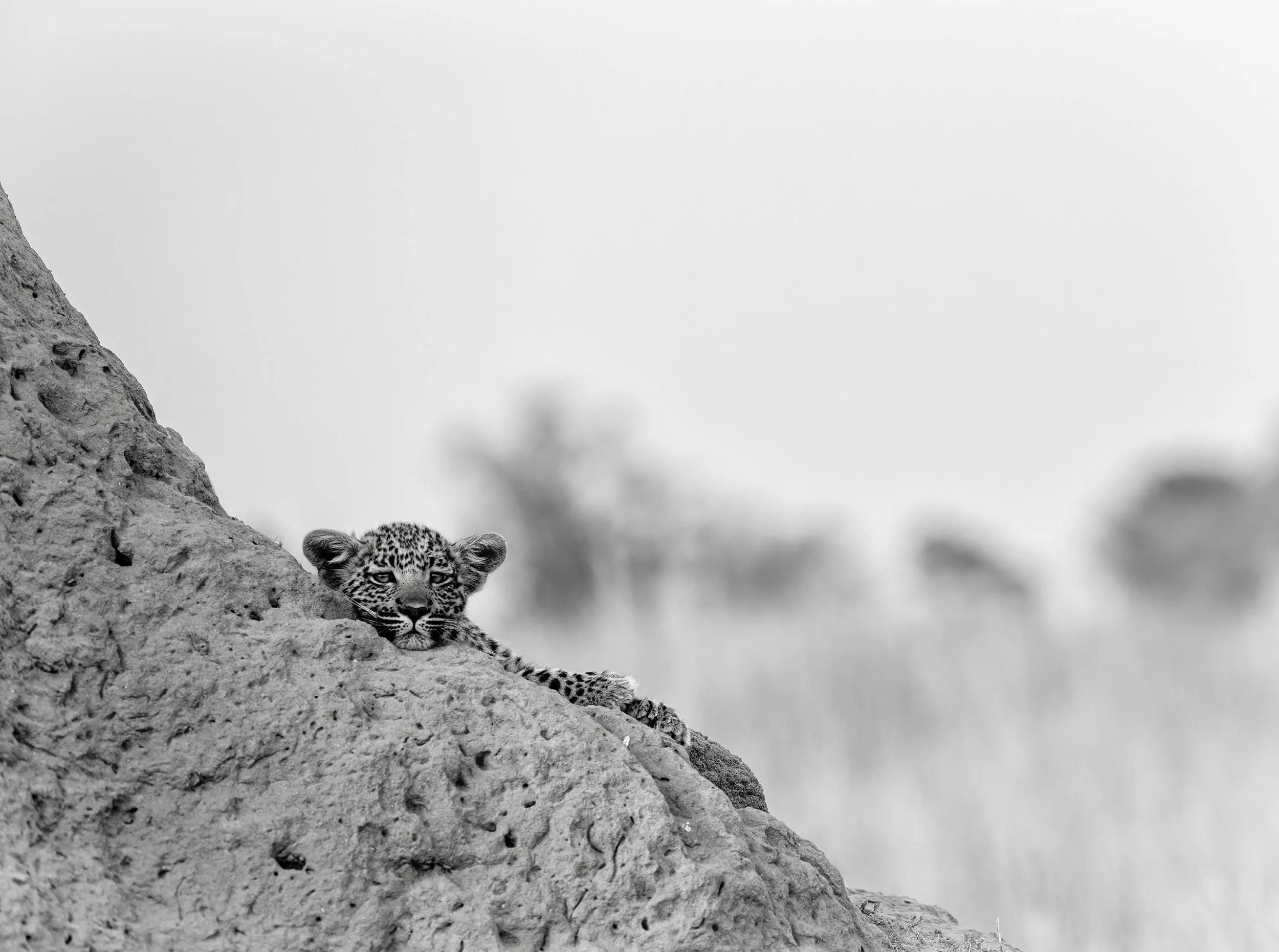
Botswana
Botswana is defined by water and desert in constant contrast. The Okavango Delta shifts with the seasons, where floodplains spread through dry land and wildlife moves with the rhythm of rising water. In the Kalahari, the landscape opens into vast, arid space—quiet, minimal, and uncompromising. It is a place defined by balance and scarcity, where life is shaped entirely by the availability of water.
The Kalahari was my biggest surprise, particularly the black-maned lions. Their opportunistic hunting, especially among lionesses and cubs, meant there was always something happening. Cubs tested boundaries, leading to some of my closest lion encounters.EXPLORE | APEX: WILD LEGENDS
EXPLORE | ELEMENTS: LIFE IN BALANCE
UPCOMING READ | LOKI: KALAHARI CHAOS -
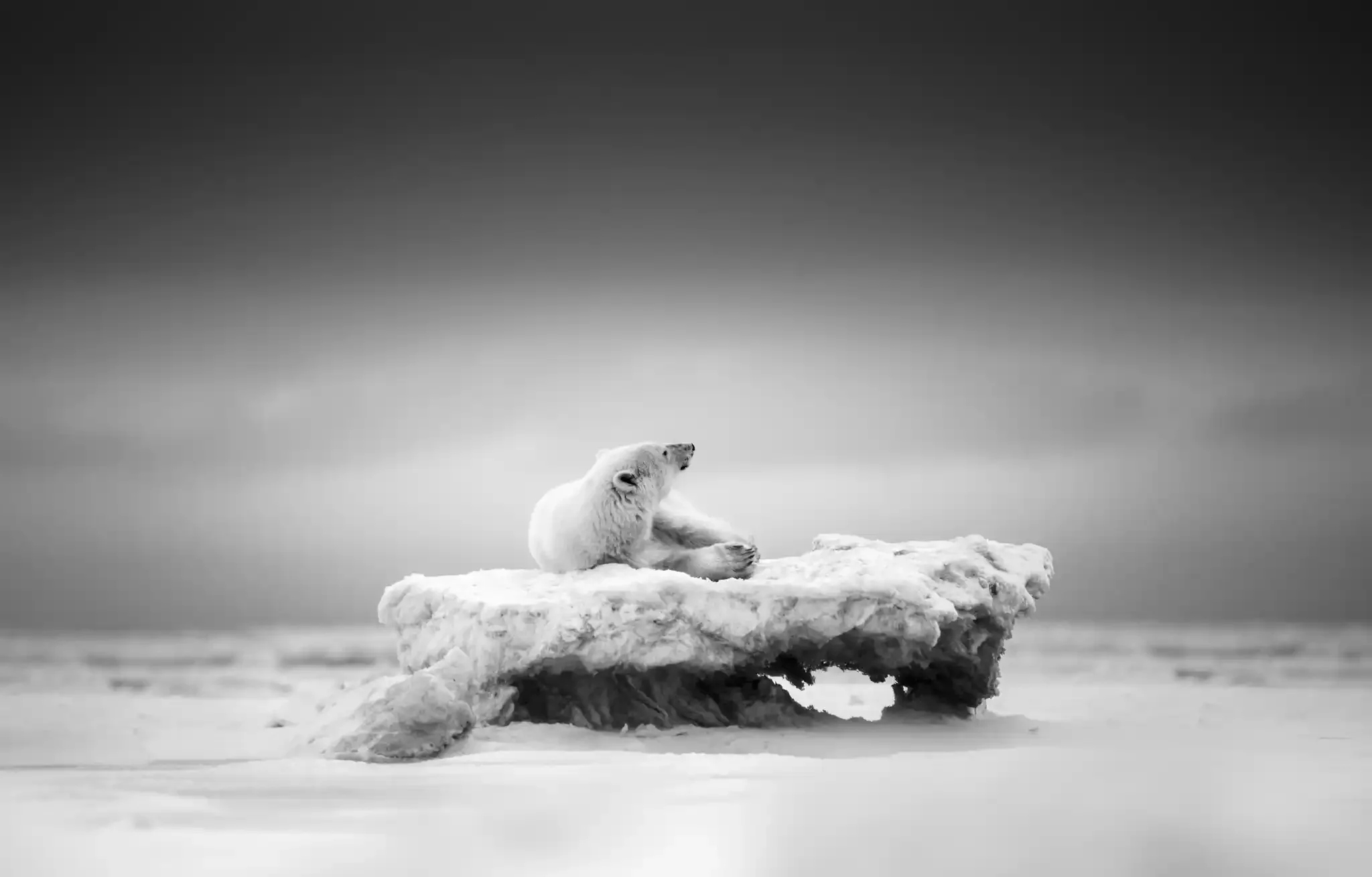
Svalbard
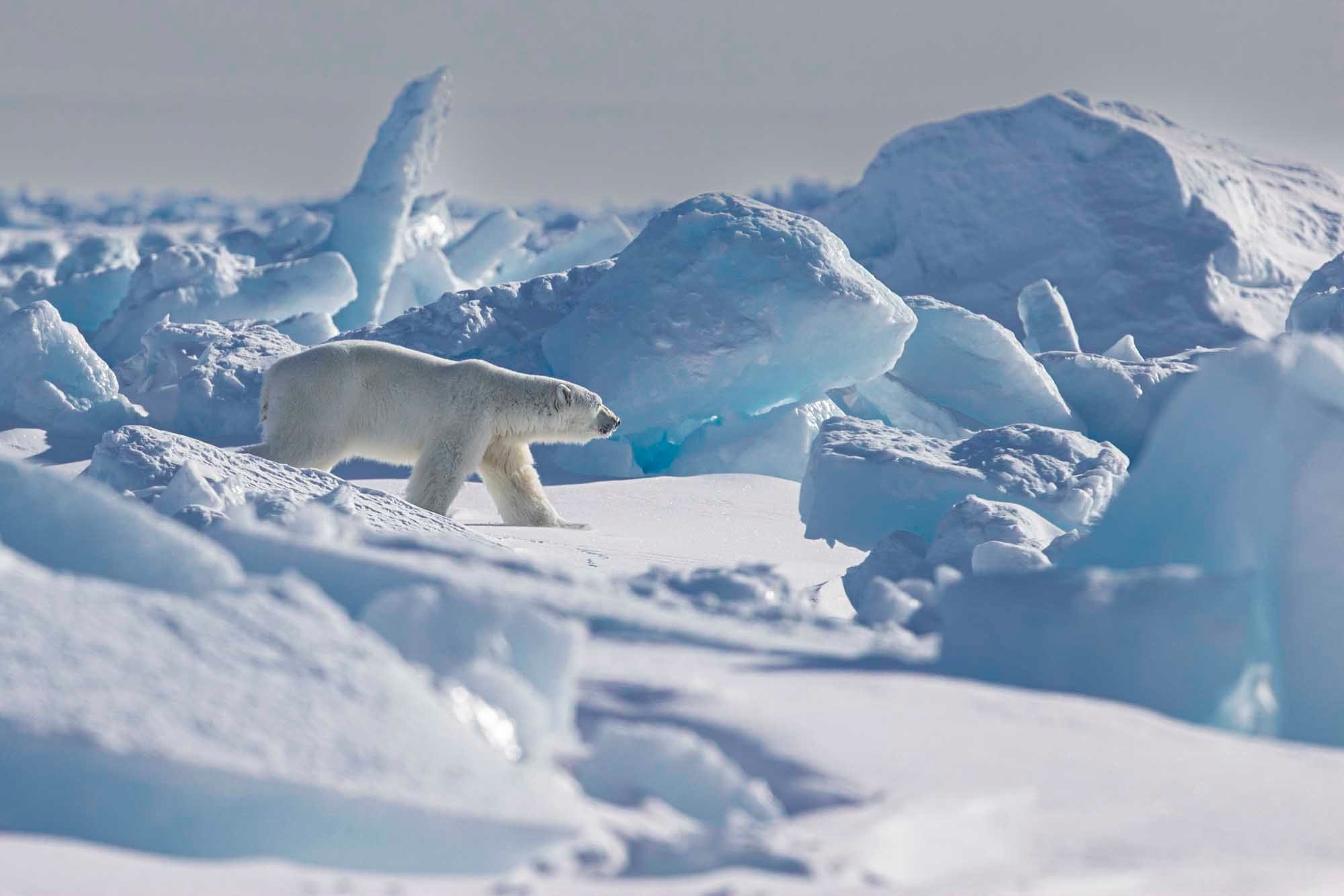
Ice, rock, and silence shape both Baffin Island and Svalbard. Fjords cut deeply through the coastline, while sea ice and tundra extend into vast, uninterrupted space where distance defines every encounter.
Photographing polar bears in the Arctic has long been a personal ambition. In these environments, exposed skin can freeze within seconds, while light shifts between constant daylight and complete absence for months at a time. Across Baffin Island and Svalbard, ice, rock, and sea define the limits of movement, and any encounters will be shaped entirely by distance and access. You can’t help but marvel at how bears and other wildlife have adapted to survive in such harsh conditions.
These journeys will focus on the polar bear, where presence is expected to be brief and dictated by scale and remoteness.
EXPLORE | UPCOMING SERIES | POLAR ODYSSEY -
Baffin Island
Ice, rock, and silence shape both Baffin Island and Svalbard. Fjords cut deeply through the coastline, while sea ice and tundra extend into vast, uninterrupted space where distance defines every encounter.
Photographing polar bears in the Arctic has long been a personal ambition. In these environments, exposed skin can freeze within seconds, while light shifts between constant daylight and complete absence for months at a time. Across Baffin Island and Svalbard, ice, rock, and sea define the limits of movement, and any encounters will be shaped entirely by distance and access. You can’t help but marvel at how bears and other wildlife have adapted to survive in such harsh conditions.
These journeys will focus on the polar bear, where presence is expected to be brief and dictated by scale and remoteness.
EXPLORE | UPCOMING SERIES | POLAR ODYSSEY -
Morocco
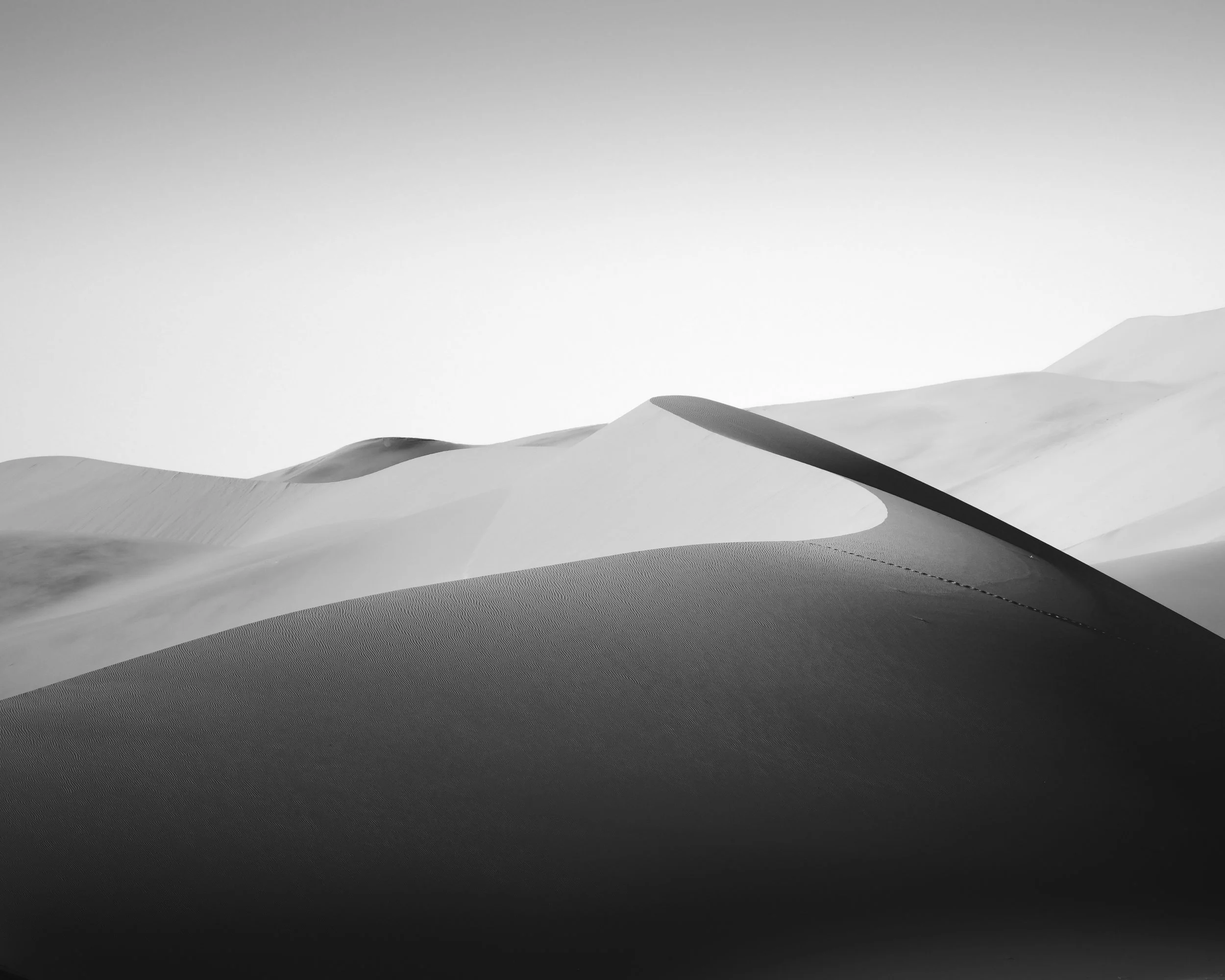
The Sahara in Morocco is a landscape of shifting form and light, where dunes move with the wind and the horizon remains fluid. Sand and sky create constant contrasts of tone and geometry, shaped by time and atmosphere rather than structure.
This expedition returns to earlier influences in painting and impressionism, where light first shaped how I interpret a scene. In the Sahara, that approach becomes physical—through shadow, sand, and the shifting geometry of light across the dunes. Camels move through this environment as they have for centuries, adapted to conditions of heat and exposure.
This trip will also explore new ways of working with light and shutter speed.
Award winning fine art photographer
Awards and
Partnerships