A Solio Story
the place that changed how I photograph wildlife
Solio isn't a national park. It's a privately owned sanctuary tucked between Mount Kenya and the Aberdare range, and that distinction matters more than it sounds like it should. There's no queue of vehicles at a sighting. No radio chatter competing for the same five minutes of light. It was set aside for conservation back in 1970, and it still runs on that original, slightly stubborn idea: protect the land properly, and the animals will do the rest.
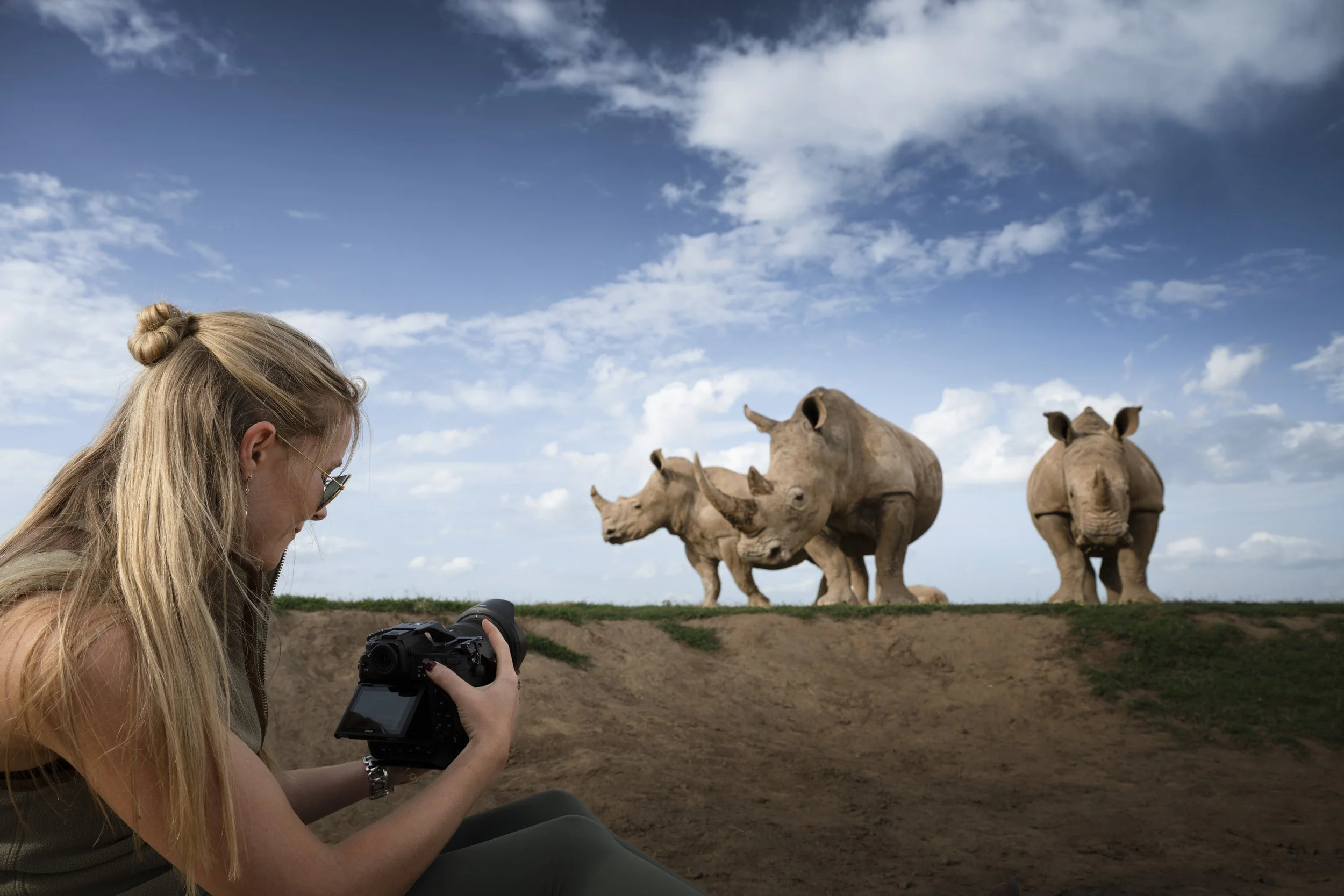
What that means for a photographer is access most places simply can't offer. Fewer vehicles, closer trust, and rhinos that have grown up genuinely unbothered by a quiet human presence — which, if you've ever tried to photograph a wild rhino anywhere else, is not a small thing.
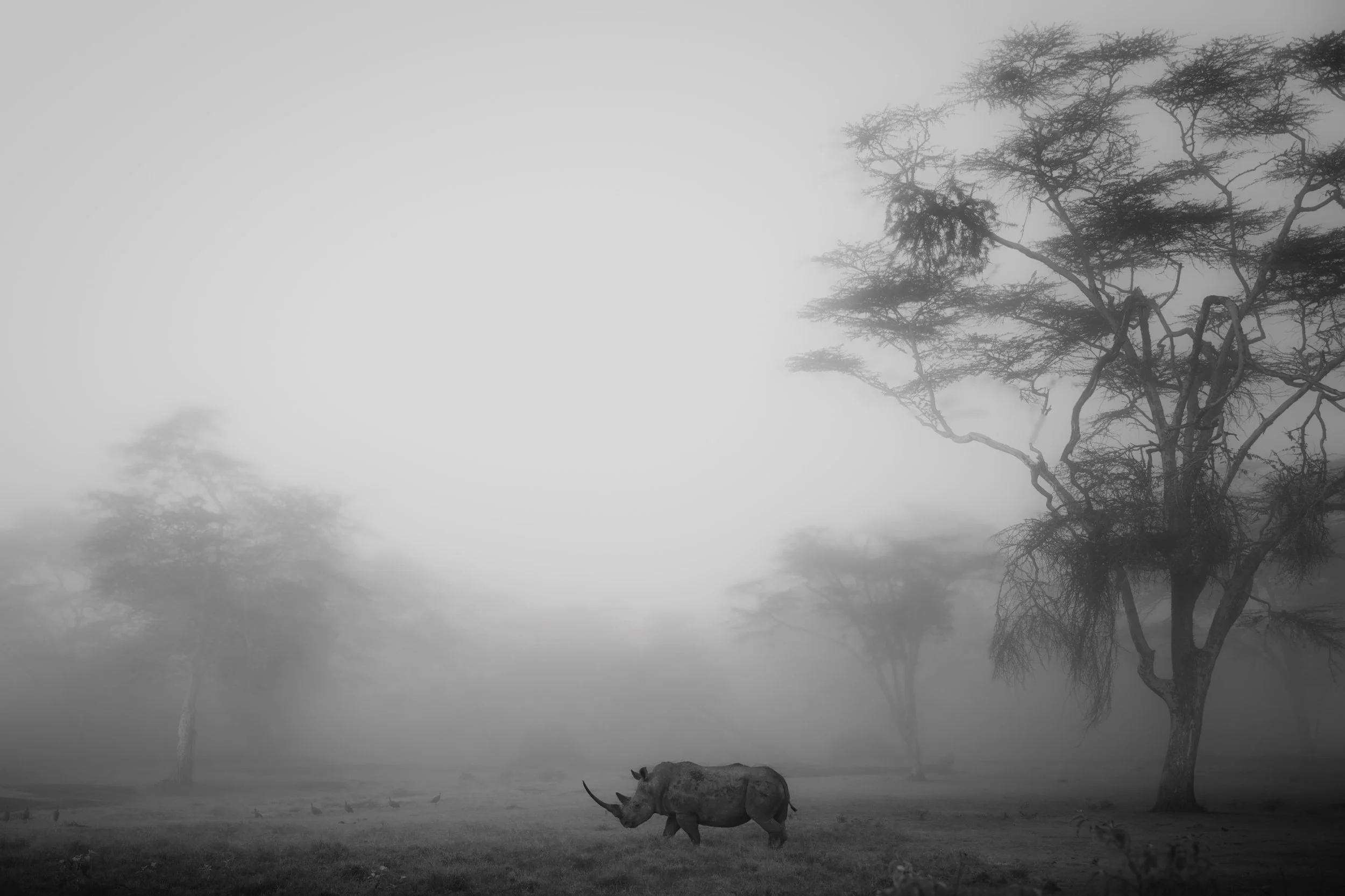
The land itself does a lot of the work. Solio sits high on the Laikipia Plateau, open grassland rolling out under enormous skies, with the Aberdares rising blue and hazy on one horizon and Mount Kenya on the other when the cloud allows it. It's cooler than the classic safari imagery suggests — jacket-at-dawn cold, mist burning off slowly, light that stays soft for longer than it has any right to.
Rhino are the headline, understandably, but they're far from the only residents. Giraffe move across the open hills in loose, unhurried groups. Buffalo, zebra, eland, and the occasional leopard round out a landscape that feels less like a wildlife reserve and more like an entire, functioning ecosystem that happens to let you walk through it.
“Some places you visit for the photographs. Solio is a place I go back to for the reminder of why I picked up a camera in the first place”
— Alex Wood
1970 Kenya's first private rhino sanctuary
85% of Kenya's white rhino population lives here
140+ rhino bred and translocated to reserves across East Africa.
This is the part of Solio's story that's easy to say quickly and hard to fully take in. It became Kenya's first private rhino sanctuary in 1970, when the first five black rhino were relocated here — the national population was in freefall. Since then, Solio has bred and translocated well over 140 rhino to reserves across Kenya and East Africa: Lewa, Ol Pejeta, Nakuru, Meru, Ol Jogi. Entire founder populations elsewhere in the region trace back to this one stretch of highland.
It's easy to photograph a rhino and think of it as a single, magnificent animal in front of your lens. At Solio it's harder not to think of it as one node in a much bigger, still-unfinished recovery — a species being rebuilt, herd by herd, from a handful of founders.
Nothing prepared me for the orphanage. It's a small, recently built operation on site — round-the-clock keepers, bottle feeds every two hours, calves that have lost their mothers to poaching, injury, or simple bad luck out on the reserve. The first resident was a white rhino calf named Njamba, which means conqueror, or brave warrior, in the local Kikuyu language. It's the right name. Every calf that's come through since has needed exactly that kind of stubbornness to make it.
You don't photograph an orphaned rhino calf the same way you photograph an adult in the open bush. Everything slows down. You crouch lower, you wait longer, you let it come to the idea of you rather than the other way round. It's the closest I've ever come to feeling like an animal was choosing to trust me, rather than simply tolerating my presence.
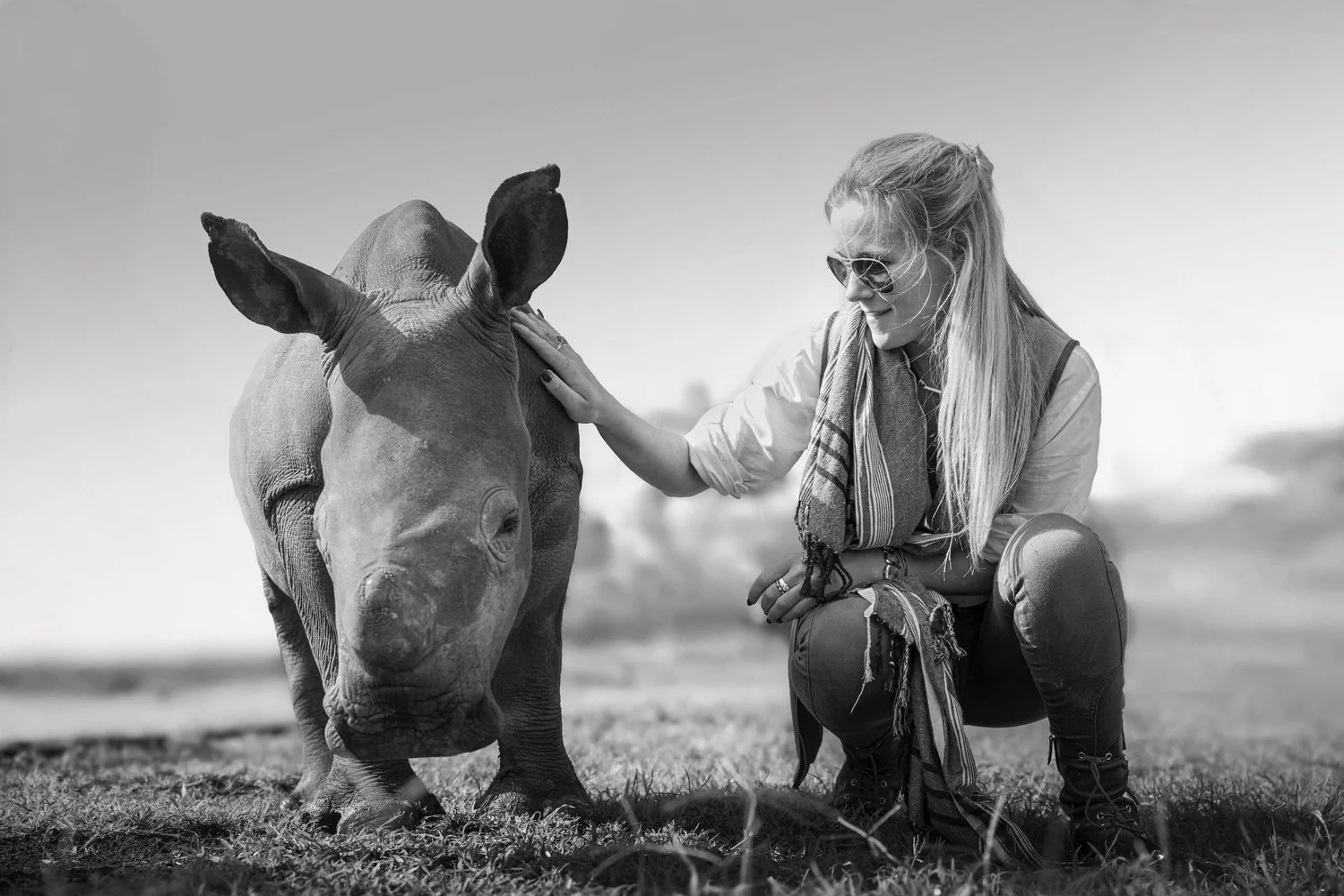
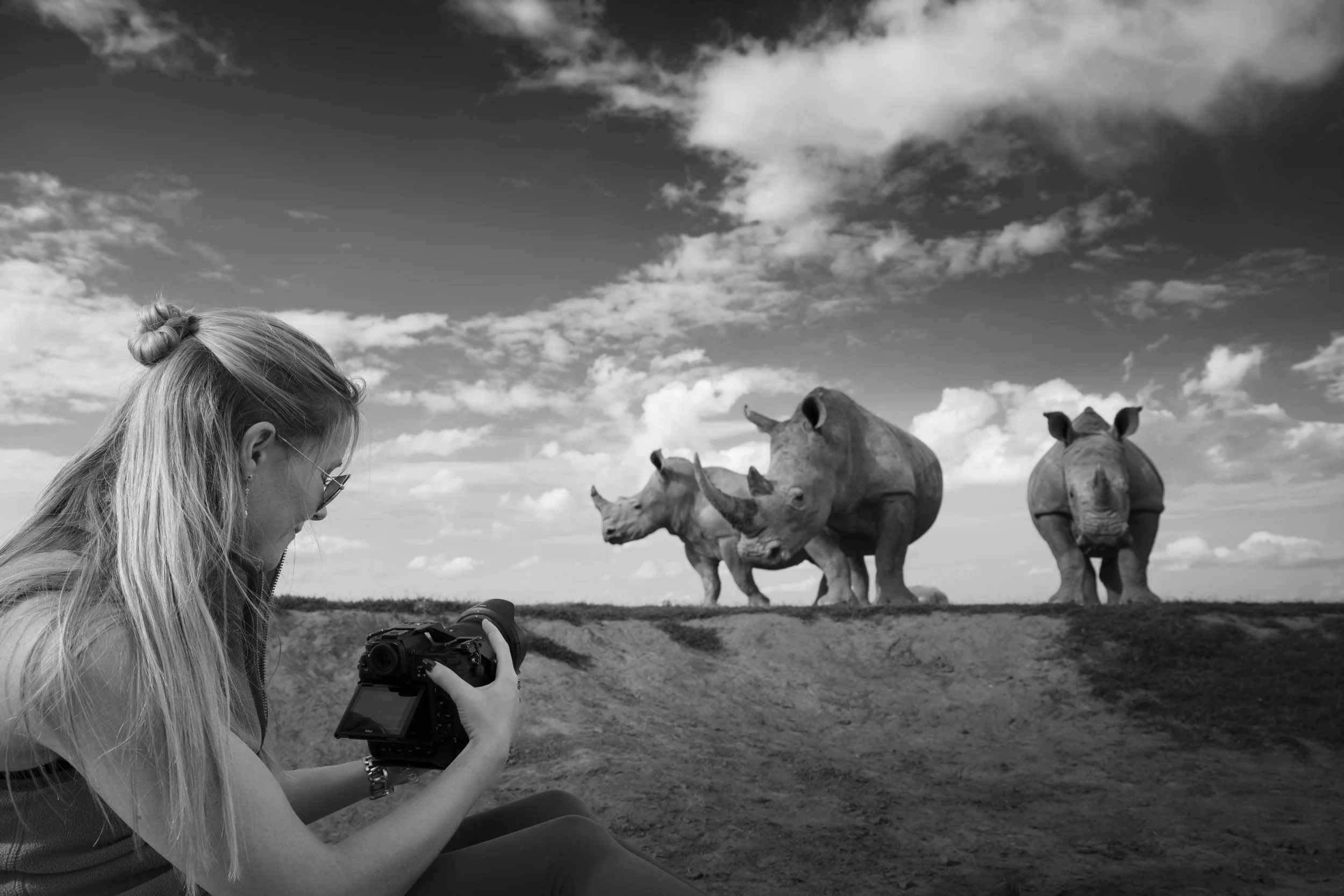
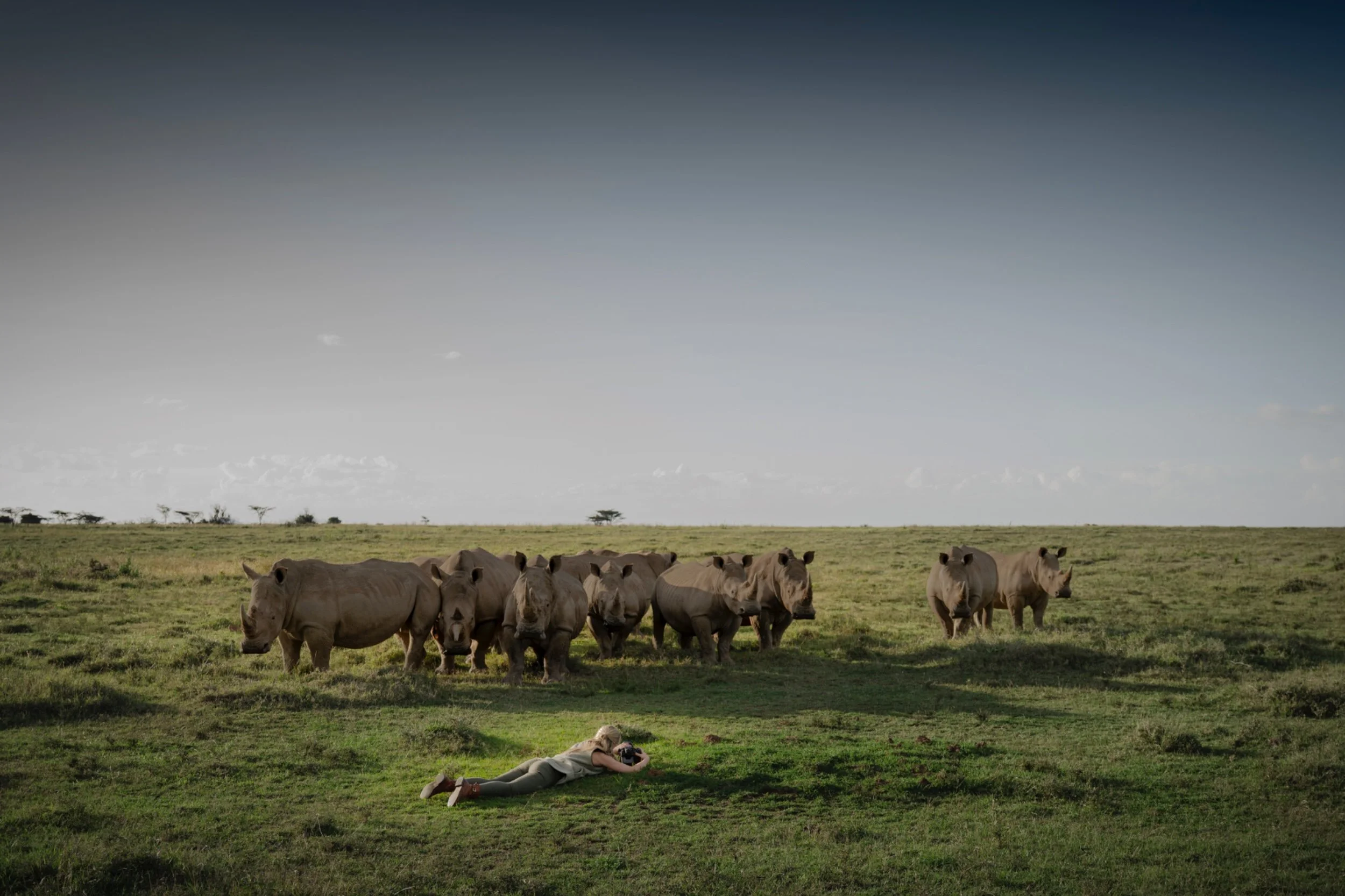
I've shot from plenty of vehicles in plenty of reserves, and there's a ceiling to what that gives you — a fixed eye-line, a fixed distance, a rhino reduced to whatever angle the car allows. Solio let me get out. Properly out: on the ground, elbows in the dirt, lens a few feet from the grass a rhino was grazing through.
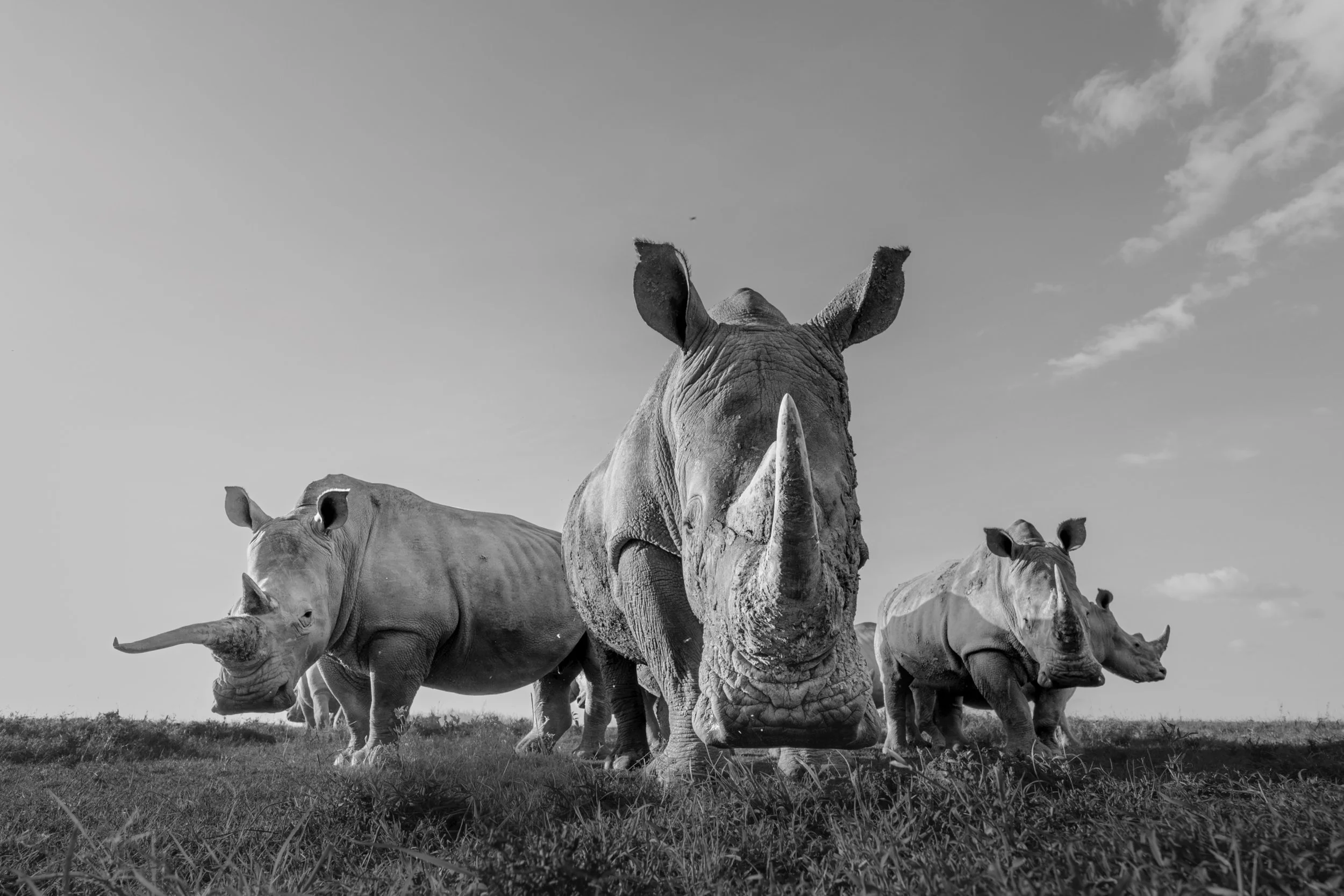
That changes what an image can be. Seen from below, a rhino stops being a shape glimpsed from a passing door and becomes something closer to its true scale — vast, near, entirely in command of the encounter. You are no longer looking down at wildlife, you are looking up into it. Lying flat in wet grass with nothing between you and a wild rhino except good judgment and a very patient guide is not something I'd ever quite imagined for myself. It gives wildlife the room to behave on its own terms, unhurried by an engine or a schedule, and it gives you the rare privilege of just being there quietly enough to watch it happen.
I lower myself into the grass and stop moving.
The space between us gives, inch by inch.
I feel their weight before I see their shape.
Stillness settles like a stand-off.
An ear turns. An eye finds mine.
Then, unbothered, it drifts back to the herd.
— Alex Wood
Most of my favourite frames here were made on a 14mm — glass built for architecture and open landscape, not for animals that can close twelve feet in a stride. At that width there is nowhere to hide behind distance. More often than caution should allow, curiosity wins out over alarm — an animal drifting nearer simply because something has caught its interest. There is nothing left to do but hold still and let it decide what happens next. The encounter always ends on the rhino's schedule, not mine