In Search of Giants
the pursuit of big tuskers
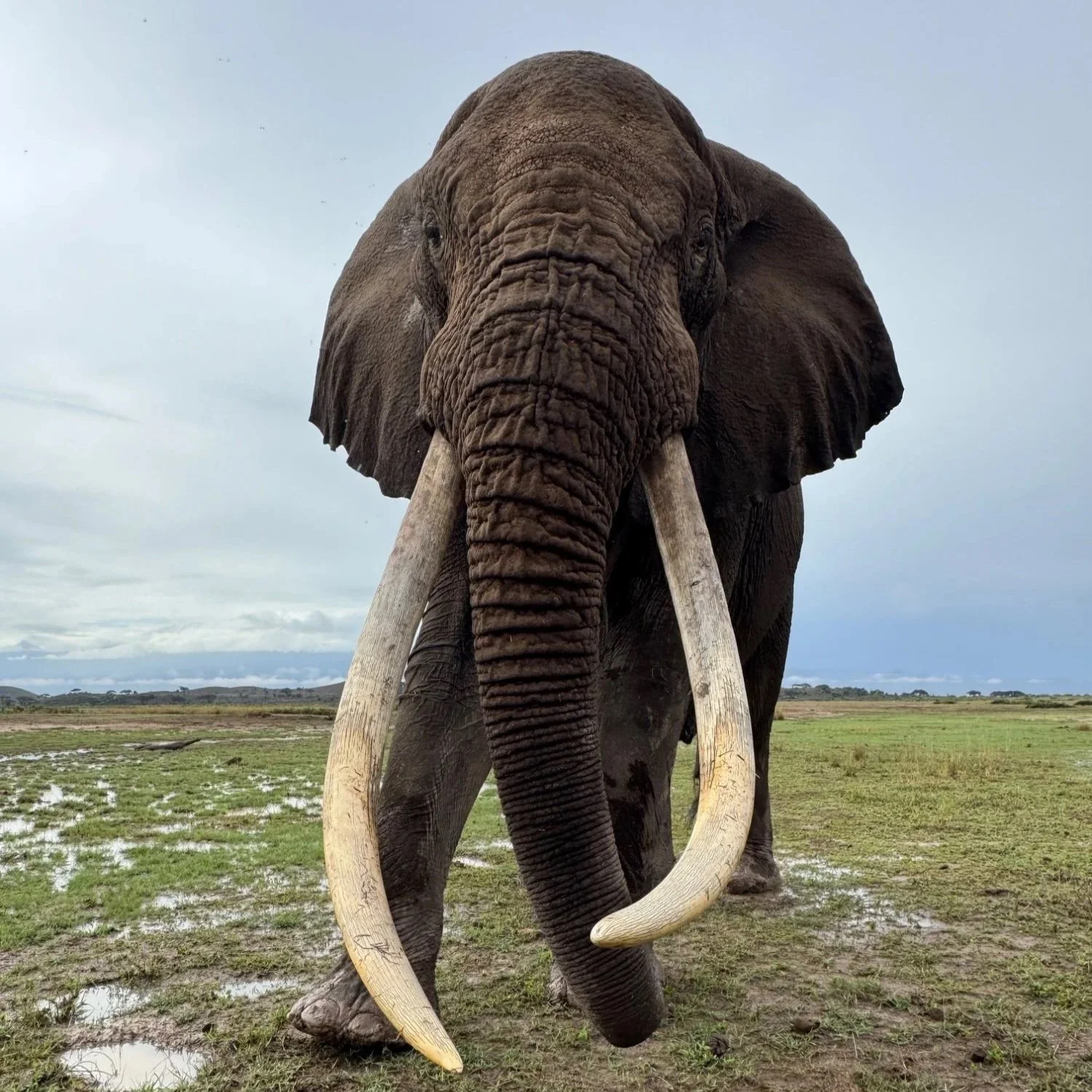
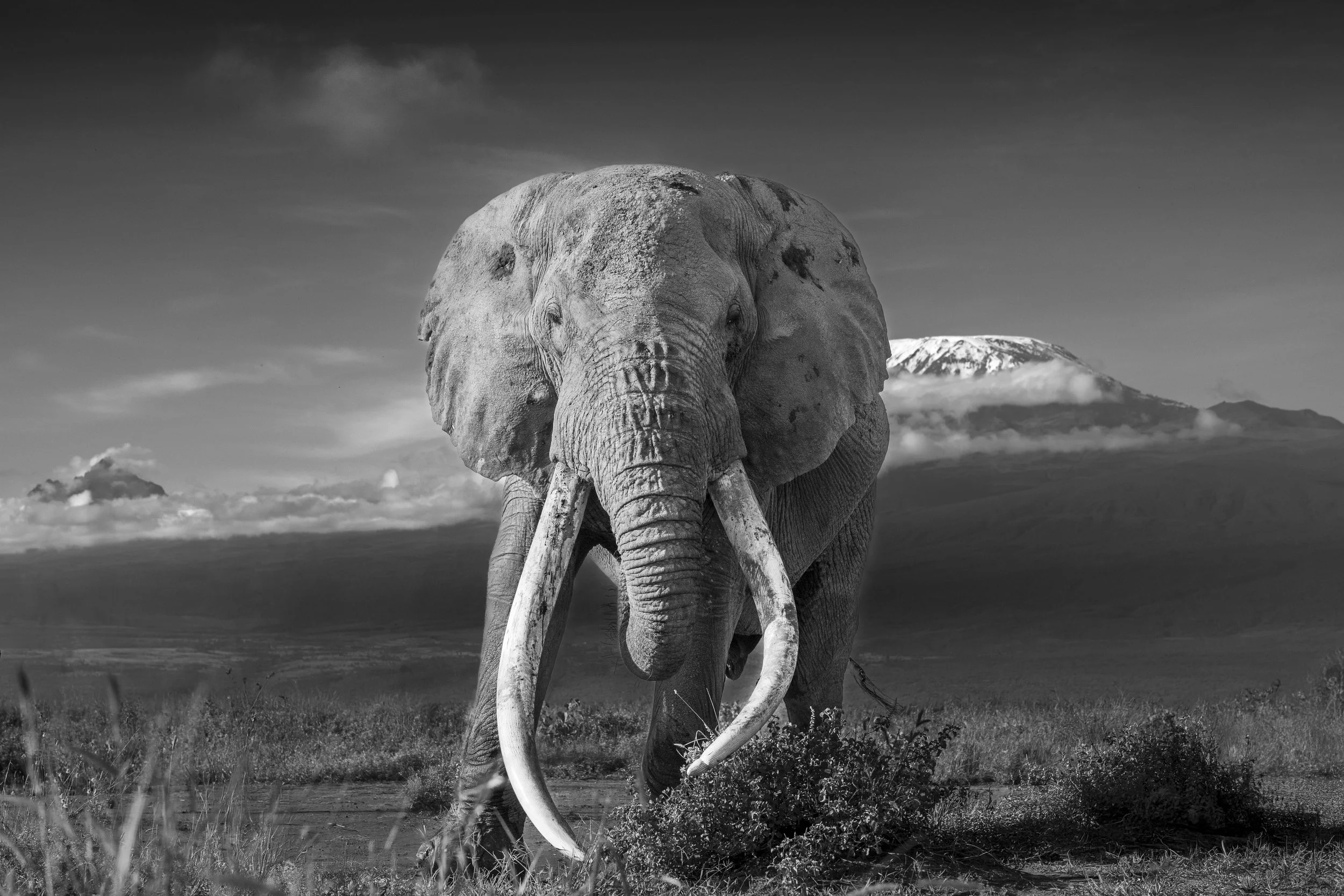
A super tusker is not simply a large elephant. It is an elephant carrying tusks of exceptional scale, often weighing more than 100 pounds each. Today, these animals are among the rarest in Africa. Big Life Foundation has reported that fewer than 30 survive in East Africa, with around 10 in its area of operation. Once you understand that number, every encounter changes.
These are not photographs of abundance. They are photographs of what remains. The elephants in this body of work exist in very small numbers, across specific landscapes, under pressure from age, conflict, habitat loss, and the long history of ivory poaching. To photograph them is not only to create an image of scale or beauty. It is to record an encounter that cannot be staged, repeated, or guaranteed.
Tuskers are not defined by size alone, but by the fact that they are known individuals, each with a history, a reputation, and a place within the landscape that has shaped them.
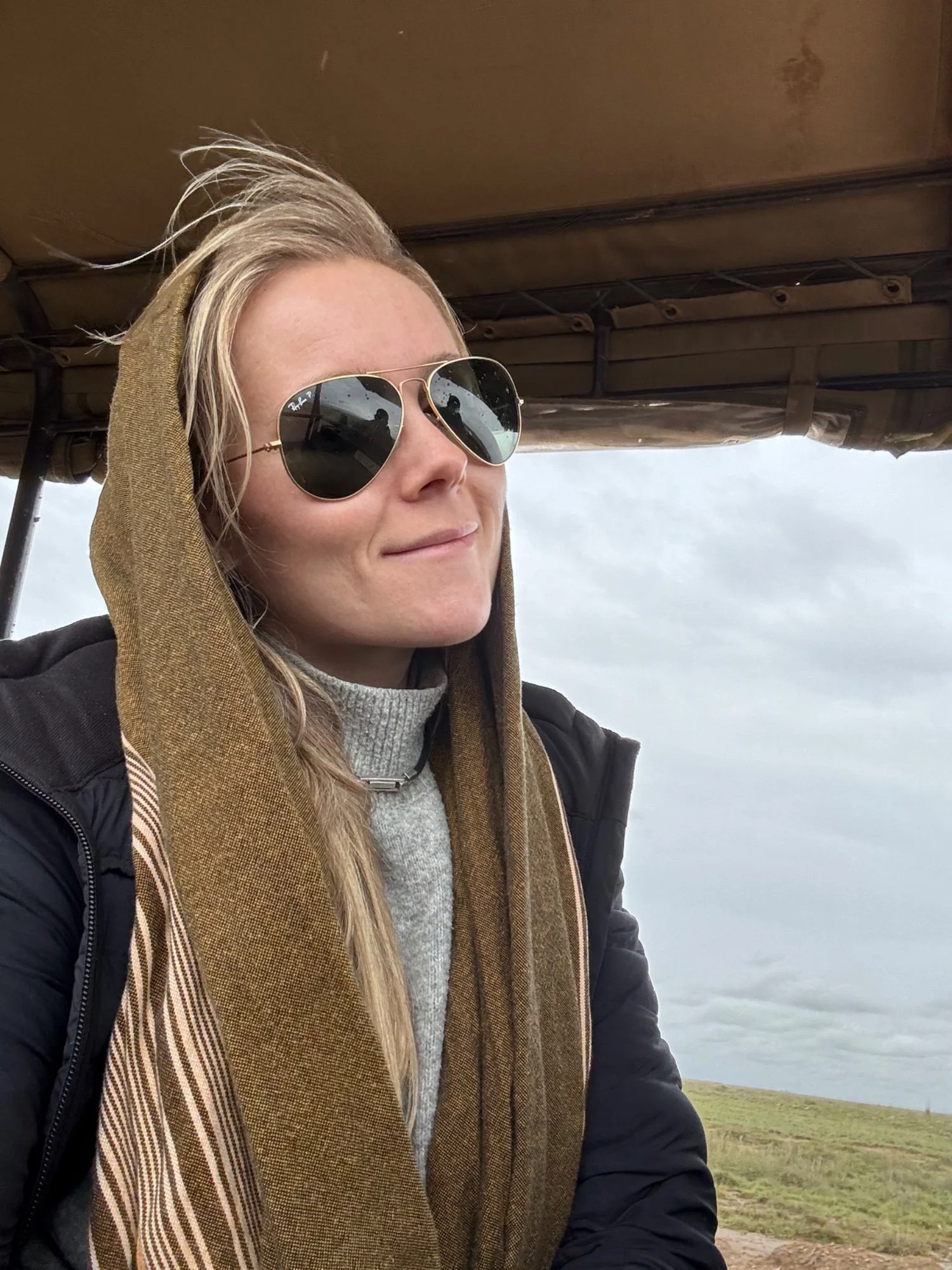
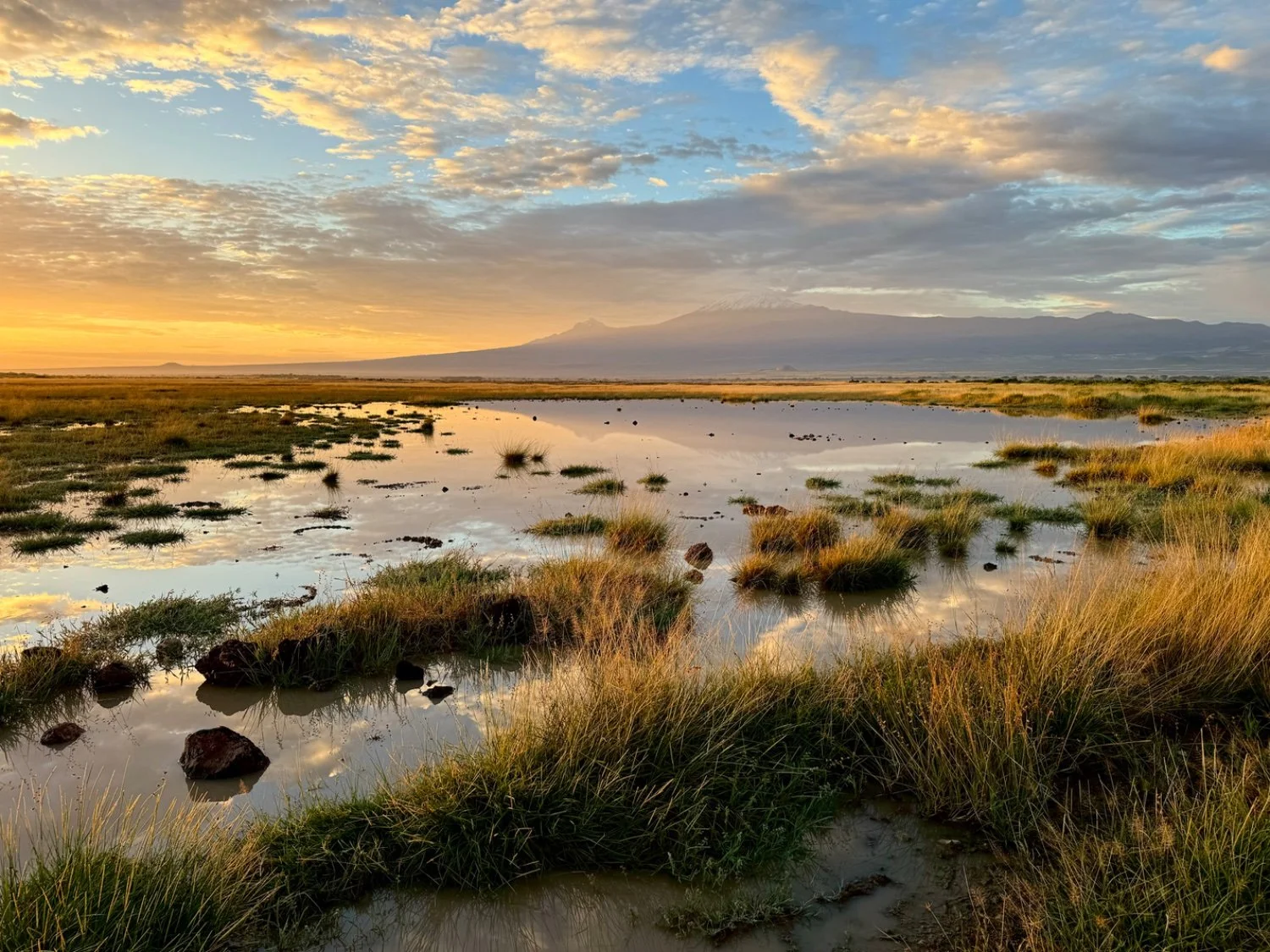
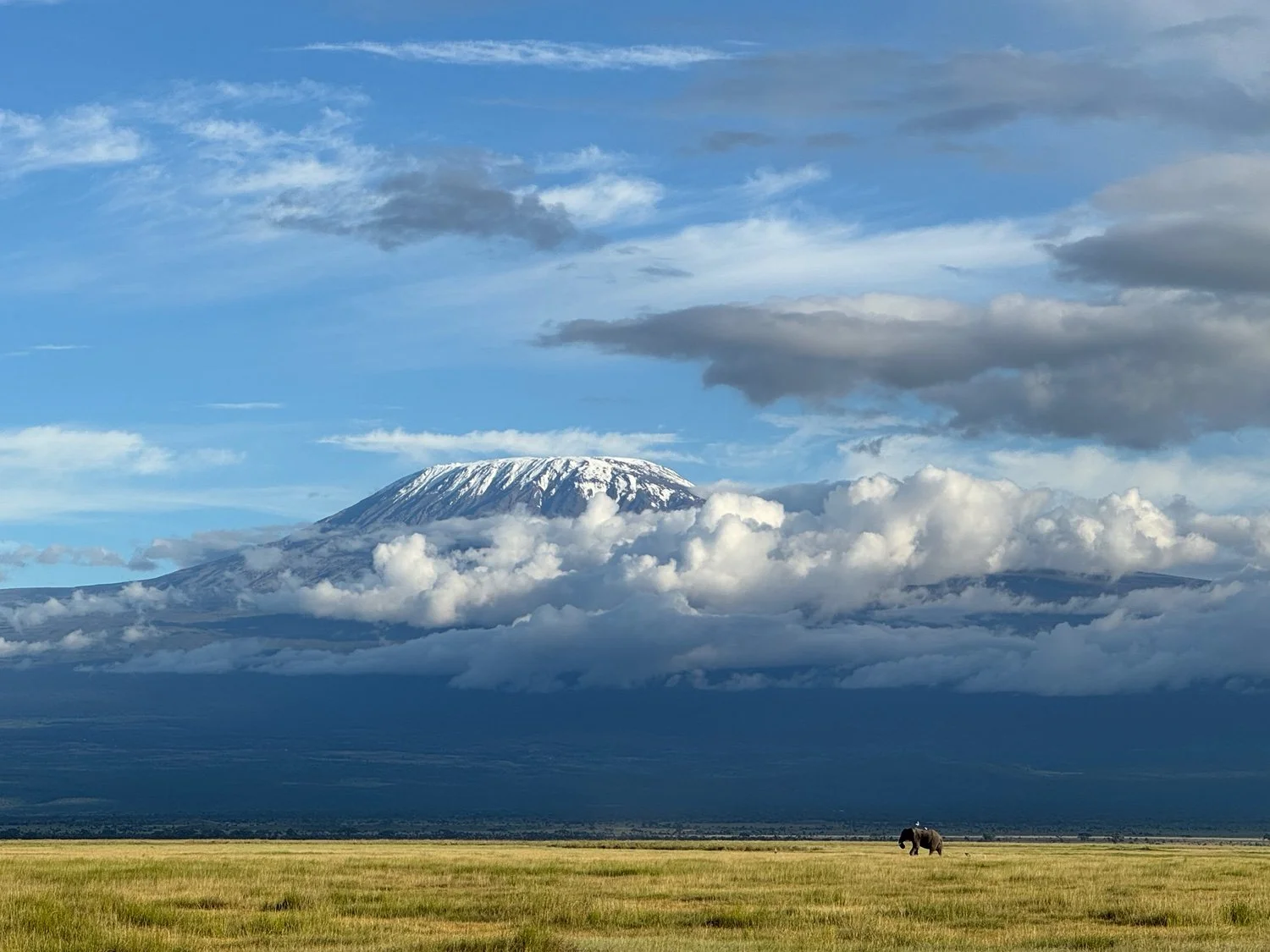
My first trip to Kenya in 2024 was my first serious step into wildlife photography. I had gone hoping to see elephants, but I had not fully understood the difference between seeing elephants and standing in front of a true giant. That difference became clear in Amboseli, where scale is only the beginning of what makes these animals remarkable. What stays with you is not just the size of the tusks or the physical presence of the animal, but the intelligence, patience, and social structure that becomes visible when you spend time watching them properly.
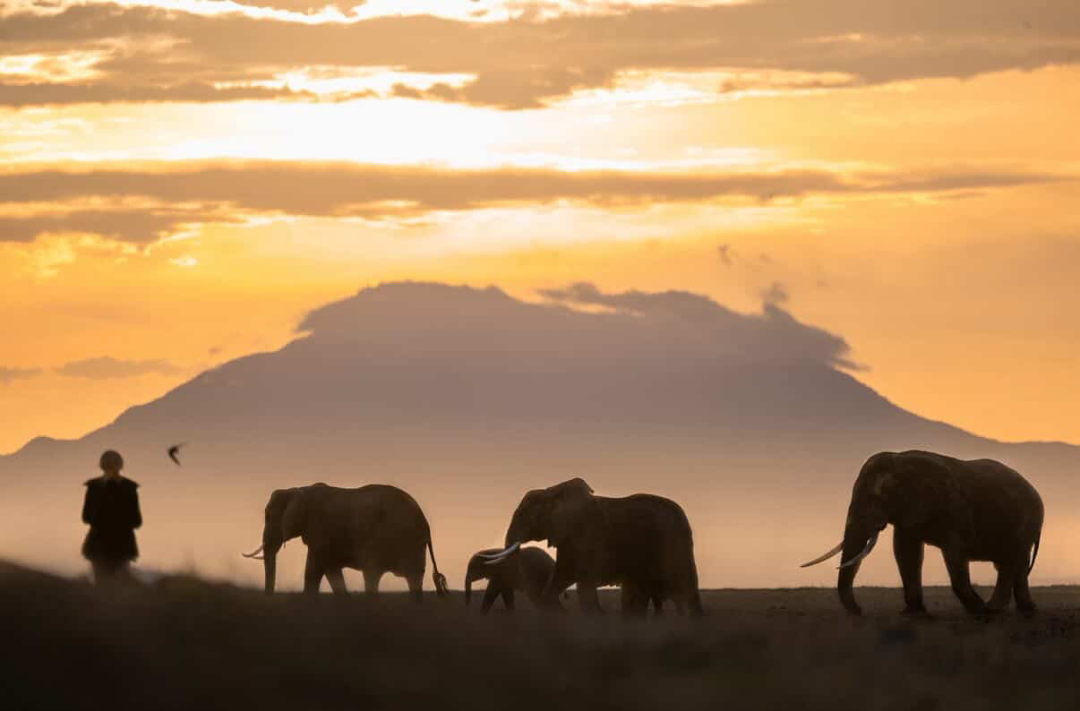
These elephants are not anonymous subjects. They have names, histories, habits, temperaments, families, and relationships. The same is true of the herds moving around them. There is communication, protection, memory, and a clear sense of family in the way they move together. The longer I have spent with elephants, the harder it has become to see them as symbols alone. They are individuals first.
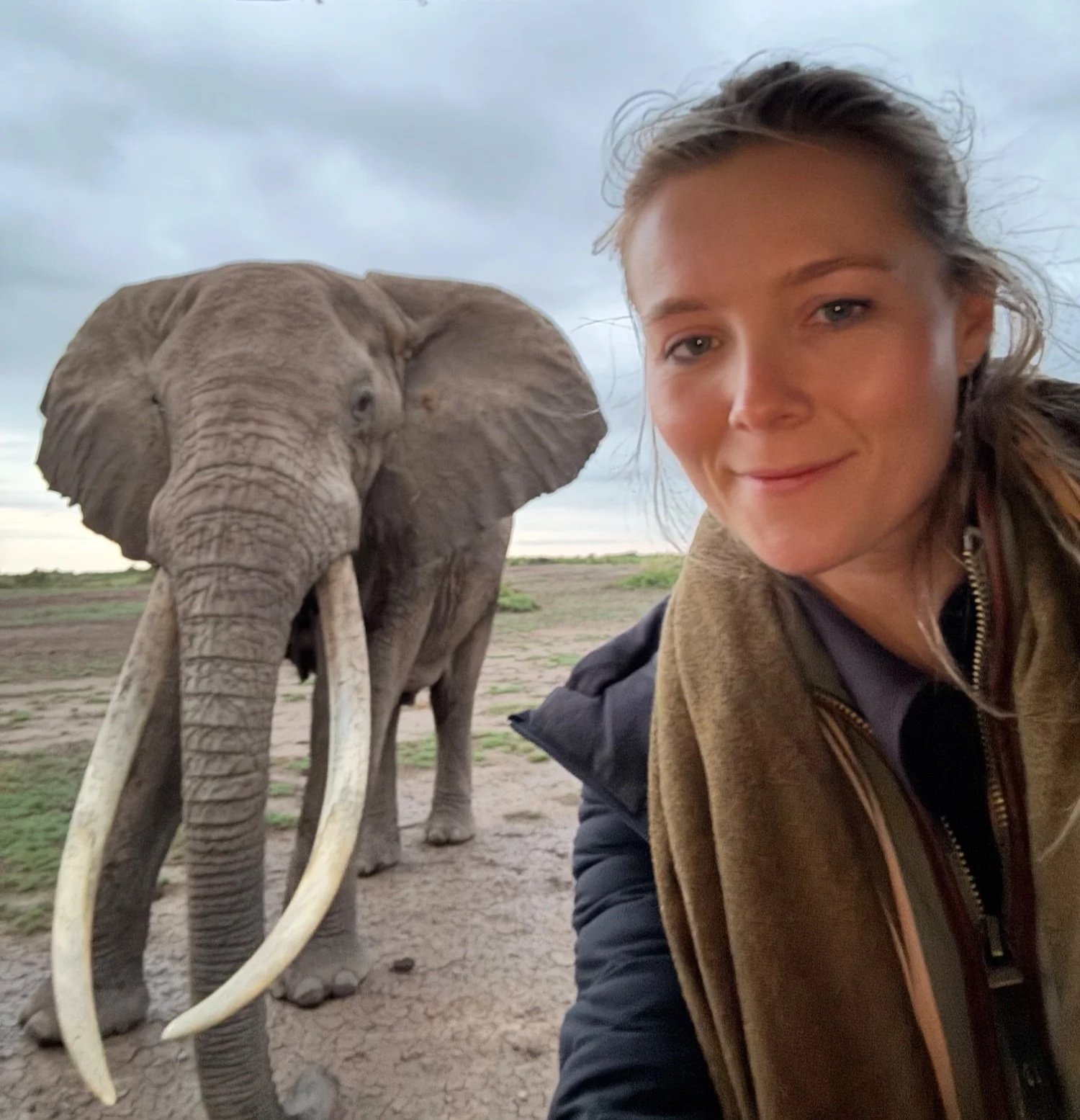
“It is an extraordinary privilege to spend time with these elephants. Beyond their immense scale, each carries a distinct personality, a lifetime of experience, and a story entirely their own. My aim is to create portraits that reflect not just their presence, but their individuality.”
— Alex Wood
Since that first journey, Amboseli has become somewhere I return to again and again. The reason is the search itself, and the chance to spend time with specific elephants whose identities are known and followed by those who protect, track, and understand them. I have been fortunate to work with exceptional guides and trackers who have helped me search for and find elephants such as Esau, Craig, Teejay, Barsaloi, Finn, Conor, Vronsky, and Pascal.
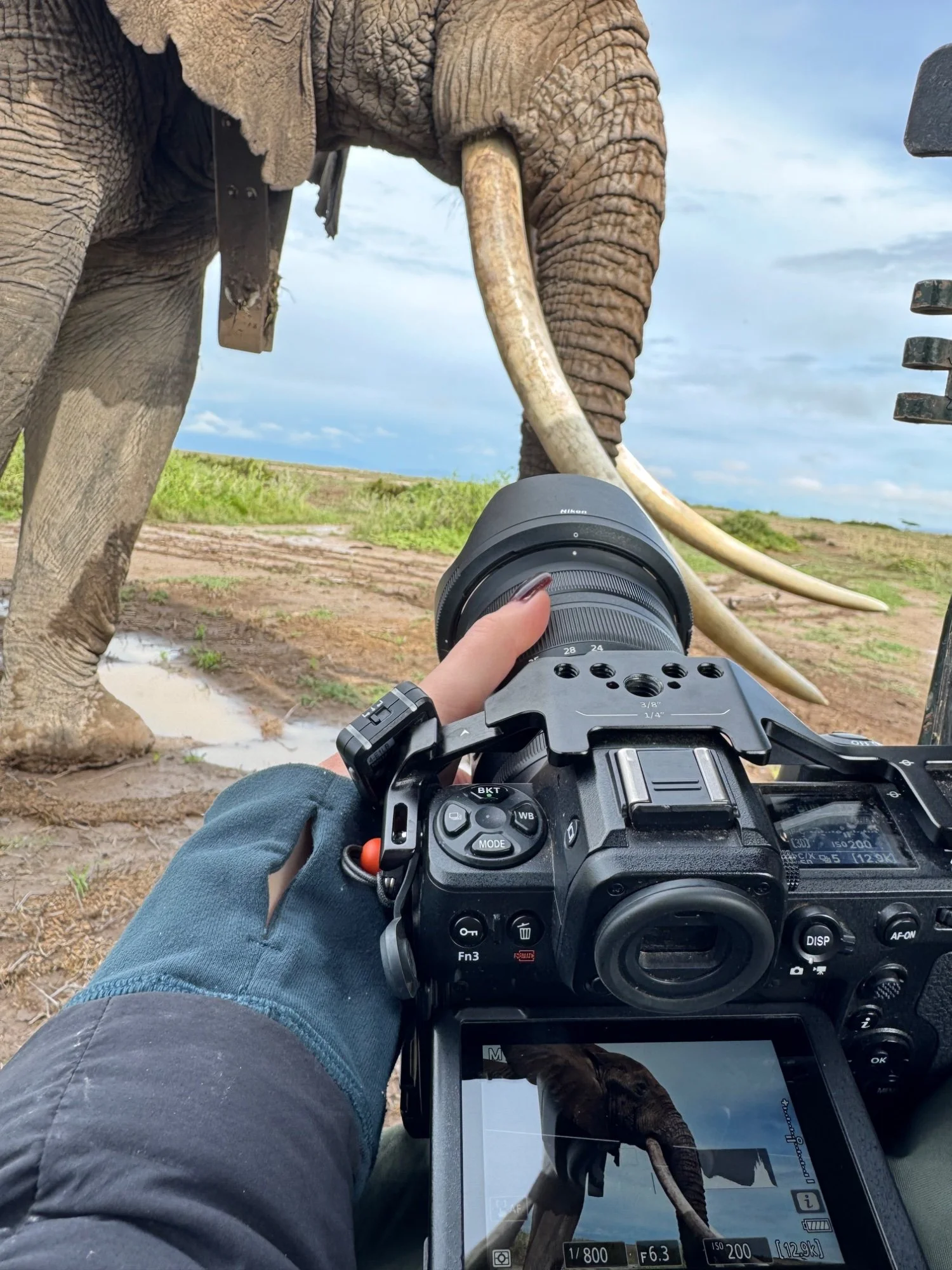
None of those sightings came easily. Each one was the result of hours spent searching, following tracks, reading behaviour, listening to local knowledge, and accepting that the animal may never appear. When one of these elephants finally comes into view, the photograph carries more than the moment in front of the lens. It carries the pursuit behind it.
Some encounters have become more significant with time. Esau was the first tusker I found, and the sighting made an immediate impression because of both his scale and the context. He was known to move regularly across the Tanzania border and was eventually collared so his movements could be better tracked. Craig, one of the most recognisable elephants in Amboseli, carried a different kind of presence. His tusks, calmness, and sheer physical weight made him impossible to forget, and I feel extremely fortunate to have seen him before he passed away in January 2026. Looking back, those photographs are no longer simply images from successful days in the field. They are part of my own record of individuals who are no longer guaranteed, and in Craig’s case, no longer here.
I also think about the tuskers I never had the chance to meet: Tim, Tolstoy, and One Ton. Their names carry real meaning among those who followed them, protected them, photographed them, or were simply lucky enough to see them in the wild. One Ton’s death in July 2026, following Craig’s earlier the same year, is another reminder of how quickly this generation of giants is passing. Some die naturally after long lives, which is its own conservation success, but each loss still reduces a group that was already painfully small.
This is what changed my understanding of wildlife photography. It is not only about subject, light, or composition. It is about access, patience, responsibility, and the reality that some encounters may not be possible in the same way again. Rarity is often spoken about in relation to the finished artwork, but with these images, rarity existed before the photograph was ever made.
For me, elephants represent strength, intelligence, family, and memory. The great tuskers carry all of that, but they also carry something else: visible evidence of what has almost disappeared.