Art for Wildlife
15 % of the profit from every print sold goes to the David Shepherd Wildlife Foundation
One frame, one story still being written
David Shepherd was a painter, not a photographer, but the instinct behind this website and my work is the one he had first: stand in front of something vanishing, render it honestly, and let that honesty do the persuading. In 1984 he turned that instinct into a foundation. Today, DSWF funds rangers, anti-poaching intelligence, and community programmes across Africa and Asia — the work that keeps elephants, rhinos, tigers, and the landscapes around them alive long enough to be photographed by the next generation.
We're not conservationists. We're image-makers. But we get to choose who our work serves.
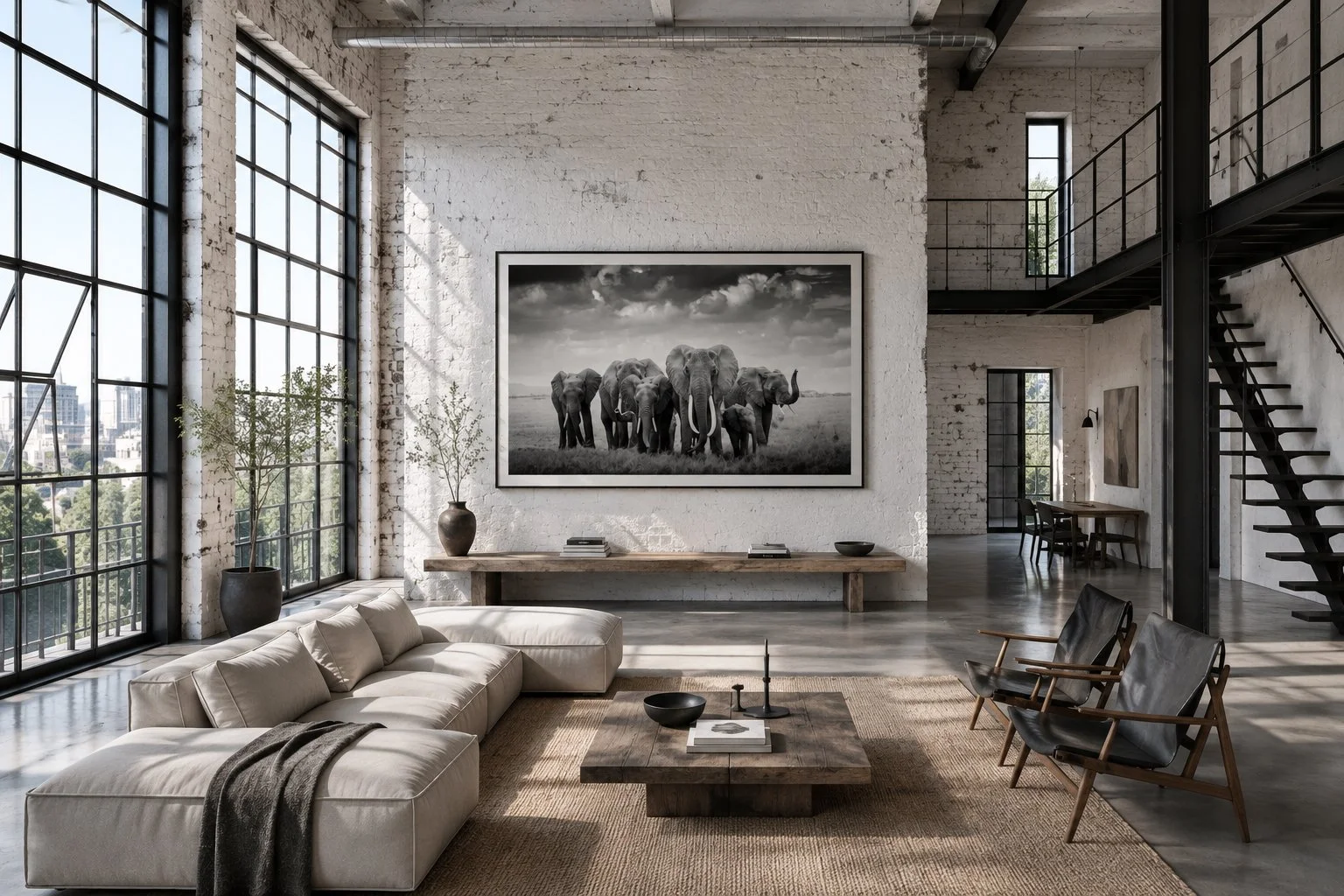
Take the elephant. Not as a subject — as a fact. A matriarch who's walked the same corridor for forty years. Who remembers a watering hole that dried up a decade ago. Who's teaching a calf a map of the world it took her a lifetime to learn.
When we photograph her, dust rising gold around her feet, we're not capturing a spectacle. We're borrowing a piece of a story that hasn't ended yet — and isn't guaranteed a good one.
The land she walks through deserves the same respect. A floodplain isn't scenery. It's infrastructure — rainfall, migration routes, root systems balanced over centuries, now under threat measured in single decades of drought. A photograph of mist lifting over a valley at dawn, with or without an animal in frame, is telling the exact same story.
Habitat isn't the backdrop. It's the plot.
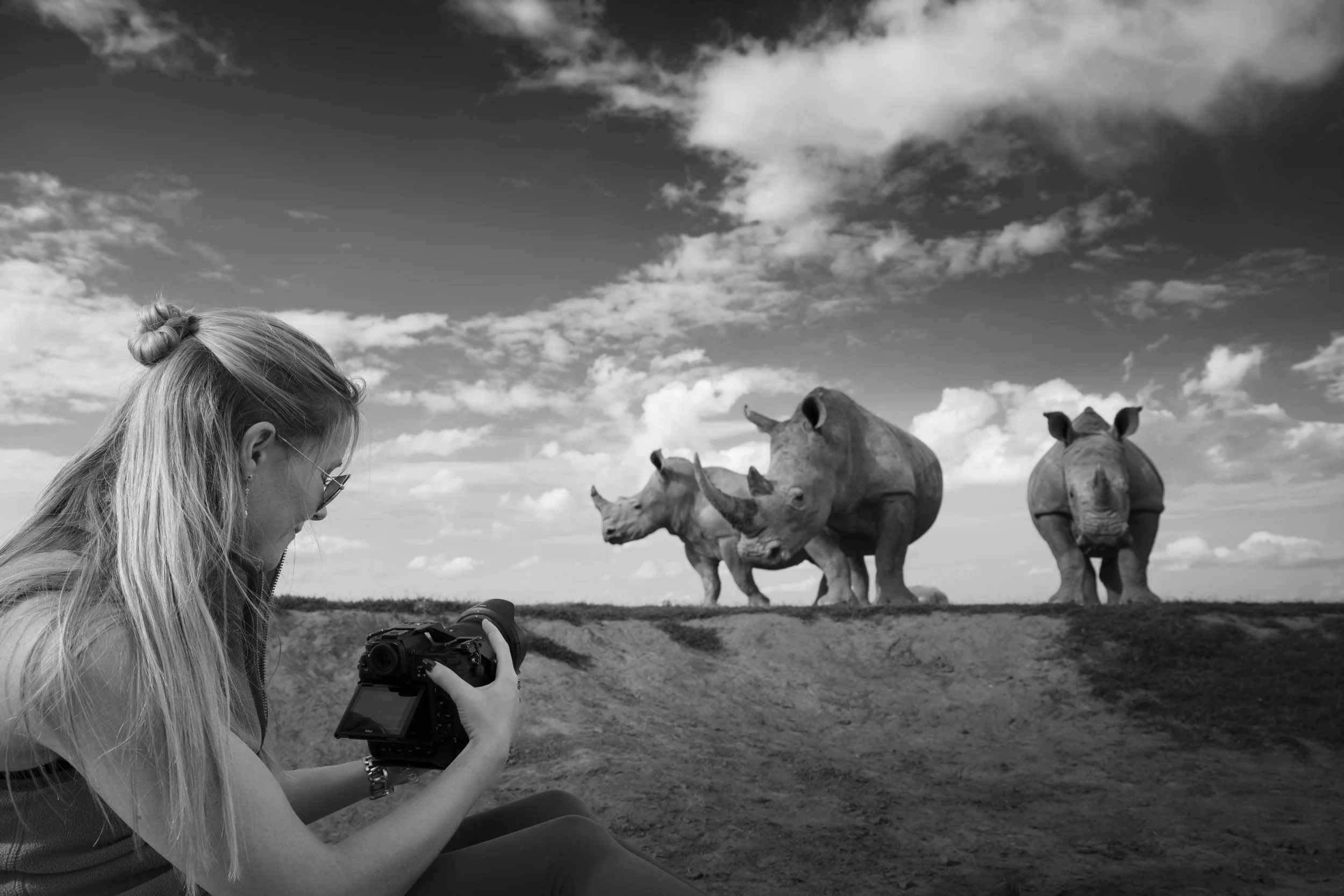
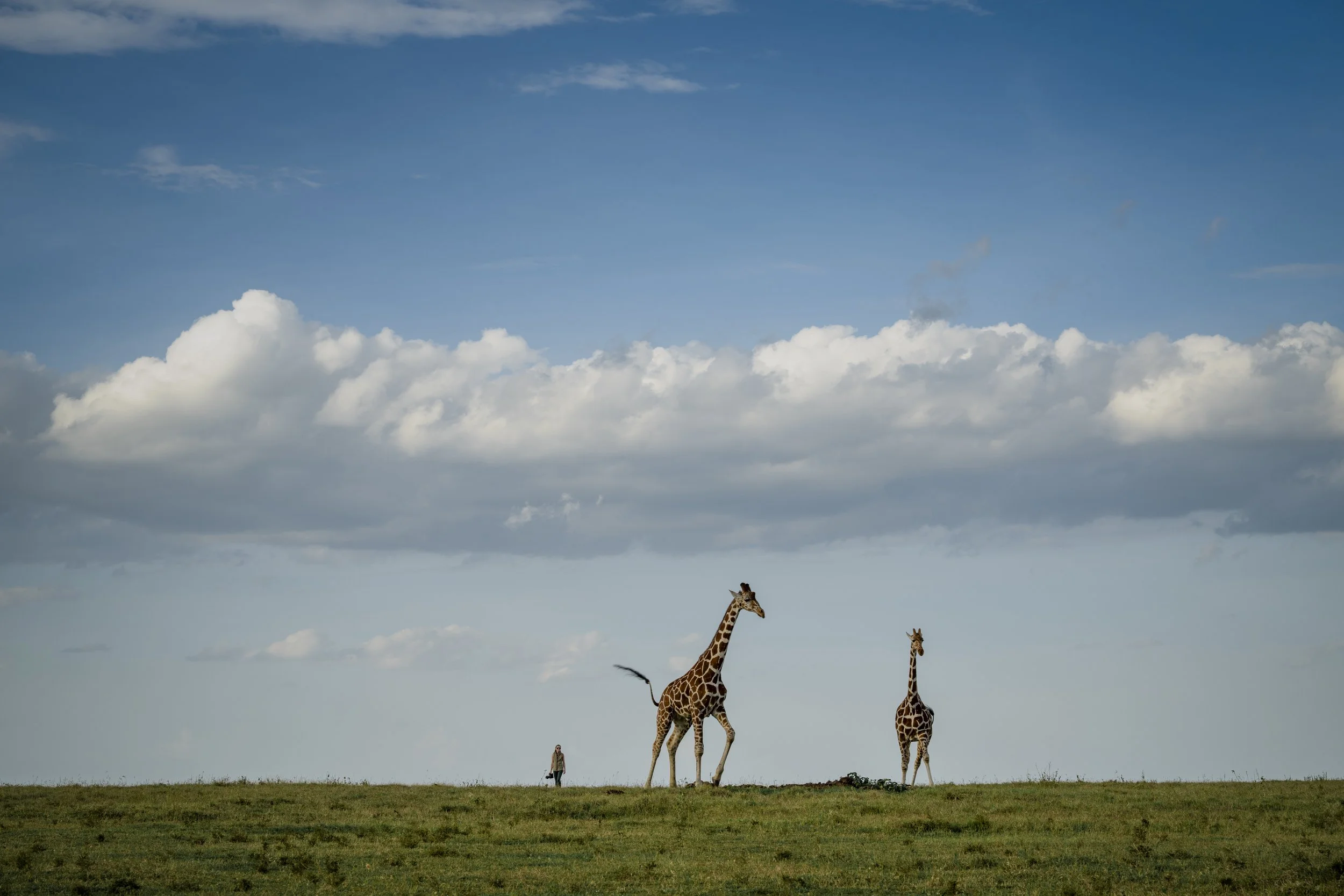
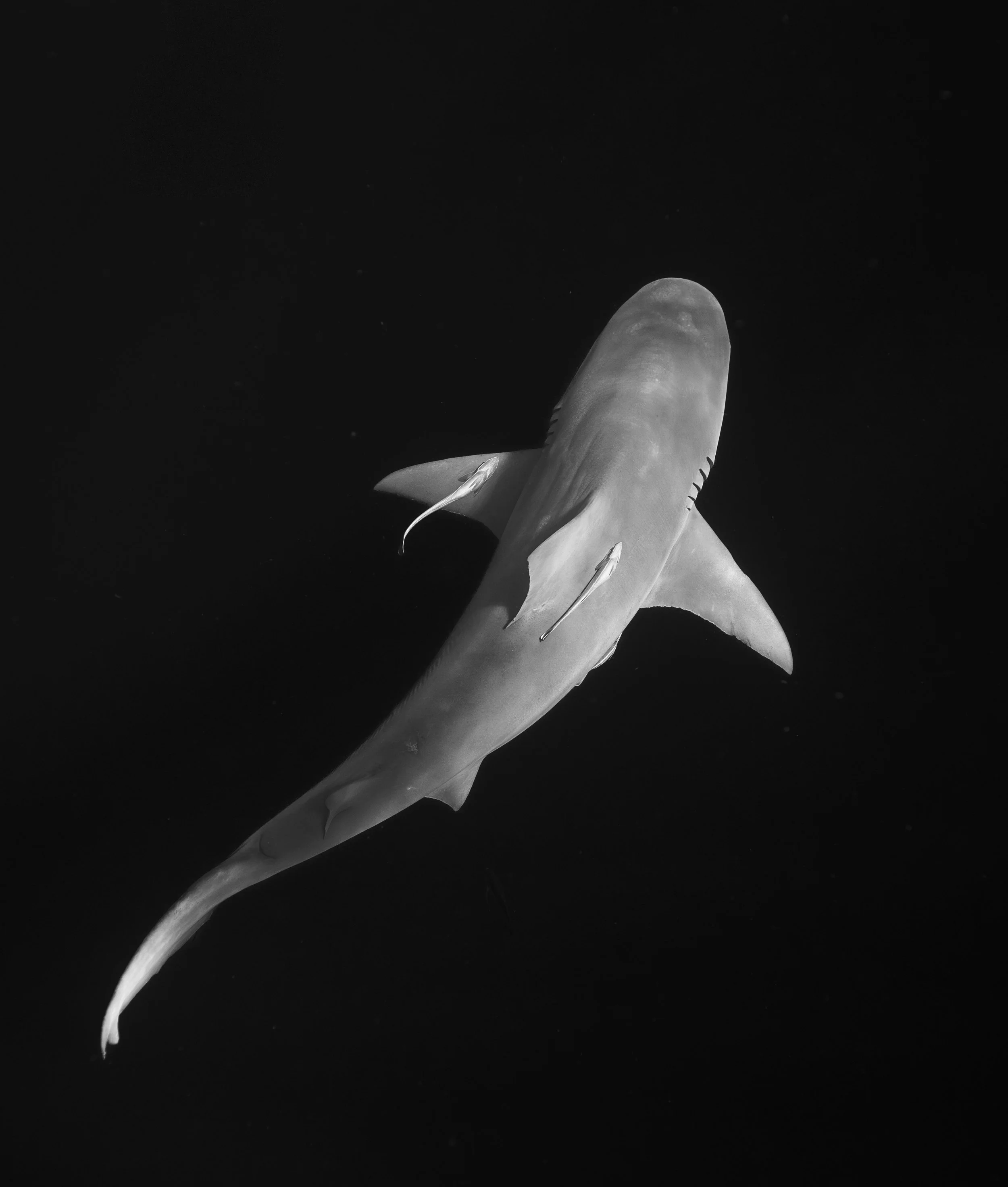
“"The natural world is not just a backdrop to human activity; it is the very fabric of our existence. Every creature, every landscape, every fragile relationship between them tells a story millions of years in the making — a story of balance, adaptation, and belonging."
— Alex Wood
David Attenborough spent a lifetime proving what a lens can do that a lecture never could. People rarely fight to protect what they've never been given a reason to feel something for. A photograph, hung somewhere you actually look at it every day, is built to close exactly that gap.
No script. No persuasion. Just the true, unrepeatable behaviour of something wild, doing what it does. People perform for cameras. Animals don't.
A photograph that makes you feel something before you've had time to think about why is what it’s all about. Beauty is the language we use to build understanding — because a striking image reaches people a fact sheet never will, and understanding is what protection is eventually built on.
Ultimately, no one comes to care about something they've never truly seen. That's the gap a camera exists to close — and increasingly, the only visual record some of these places and animals will leave behind. A photograph can be a preservation act in its own right: a way of keeping a true likeness of something that habitat loss, poaching, or simple bad luck may not leave much longer for the rest of us to witness firsthand.
Added to this, a print on a wall gets looked at again and again, for years — quietly building a kind of familiarity with its subject that a screen never allows.
I’m drawn, again and again, to animals under real pressure — elephants carrying tusks few of their kind still grow, mountain gorillas confined to a shrinking handful of highland forests, the creatures holding on at the edges of the melting ice. Not because rarity is dramatic. Because each of these animals is a symbol for an entire ecosystem worth fighting for, and because celebrating something properly, while it's still here, is one honest way of arguing that it should stay.
A beautiful image can start a feeling, but it's the people on the ground — rangers, field biologists, local communities living alongside these animals every day — who turn that feeling into something that actually holds. That's the piece we can't provide from behind a camera. It's why the giving isn't an afterthought tacked onto the pricing page. It's built into what buying a print here means.